
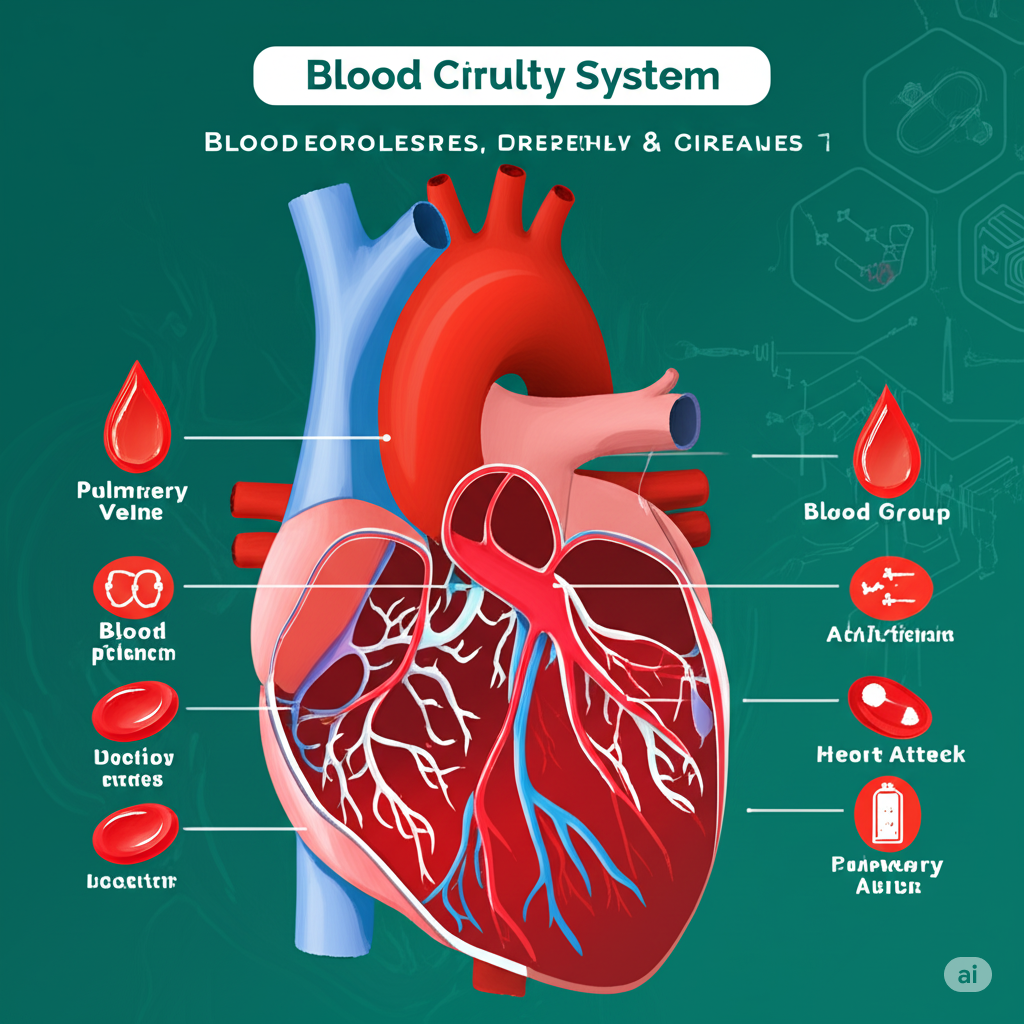
After completion of this lesson (Human Blood Circulatory System -part 1), students will be able to :
- Introduce the blood group and mention its importance.
- Introduce diseases related to BCS, and mention the symptoms & improper conditions, prevention and control measures of each.
Diseases to study are:
- Blood Pressure,
- Blood Sugar,
- Uric Acid, and
- Heart Atack
———————————————————————————————-
🩸 Introduction to Blood Groups and Their Importance
Blood group refers to the classification of human blood based on the presence or absence of specific antigens on the surface of red blood cells. The main blood grouping systems are ABO and Rh.
🔍 ABO Blood Group System
-
Group A – Has A antigens on red cells, B antibodies in plasma
-
Group B – Has B antigens, A antibodies
-
Group AB – Has both A and B antigens, no antibodies (universal recipient)
-
Group O – Has no antigens, both A and B antibodies (universal donor)
➕ Rh Factor
-
Rh Positive (Rh⁺) – Has the Rh antigen
-
Rh Negative (Rh⁻) – Lacks the Rh antigen
Example: A person with A and Rh antigens has A⁺ blood group.
🌟 Importance of Blood Groups
-
Blood Transfusion: Safe transfusion depends on matching blood groups to avoid reactions.
-
Pregnancy: Rh incompatibility between mother and baby can lead to complications.
-
Organ Transplant: Matching blood groups increases transplant success rates.
-
Forensic Science: Helps in identifying individuals in crime investigations.
-
Medical Emergencies: Knowing your blood group saves lives during accidents or surgeries.
🫀 Diseases Related to the Blood Circulatory System (BCS)
1. 💉 Blood Pressure (Hypertension / Hypotension)
📌 Description:
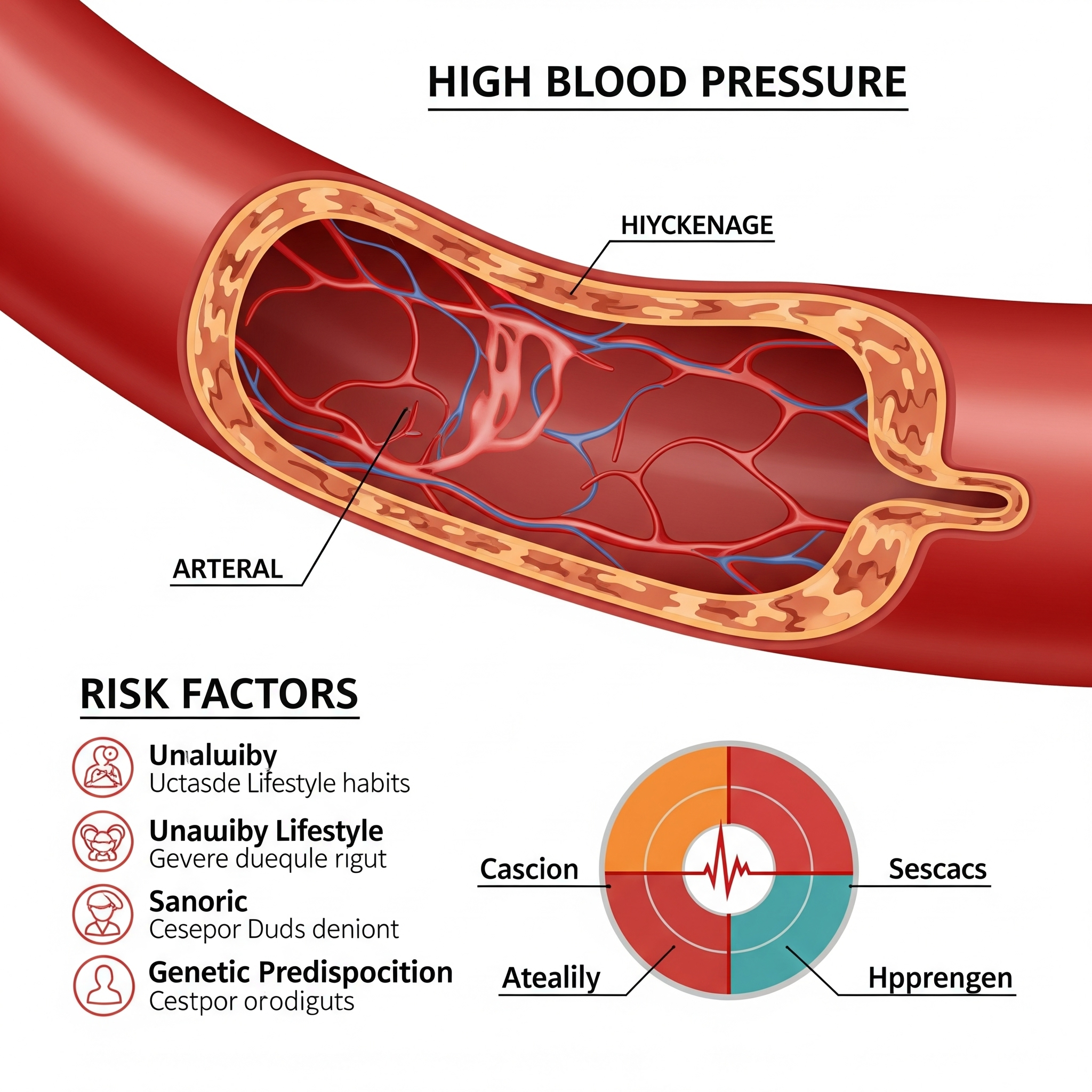
Blood pressure is the force of blood against the walls of arteries. When it’s too high (hypertension) or too low (hypotension), it disrupts normal body function.
🧠 Symptoms:
-
Hypertension: Headache, dizziness, nosebleeds, chest pain, blurred vision
-
Hypotension: Weakness, fainting, confusion, cold skin
⚠️ Improper Conditions/Causes:
-
Poor diet (high salt, fat)
-
Obesity, lack of exercise
-
Stress and anxiety
-
Smoking, alcohol
-
Genetics and ageing
✅ Prevention & Control:
-
Reduce salt intake
-
Regular exercise
-
Stress management
-
Avoid smoking/alcohol
-
Regular blood pressure monitoring
2. 🍭 Blood Sugar (Diabetes Mellitus)
📌 Description:
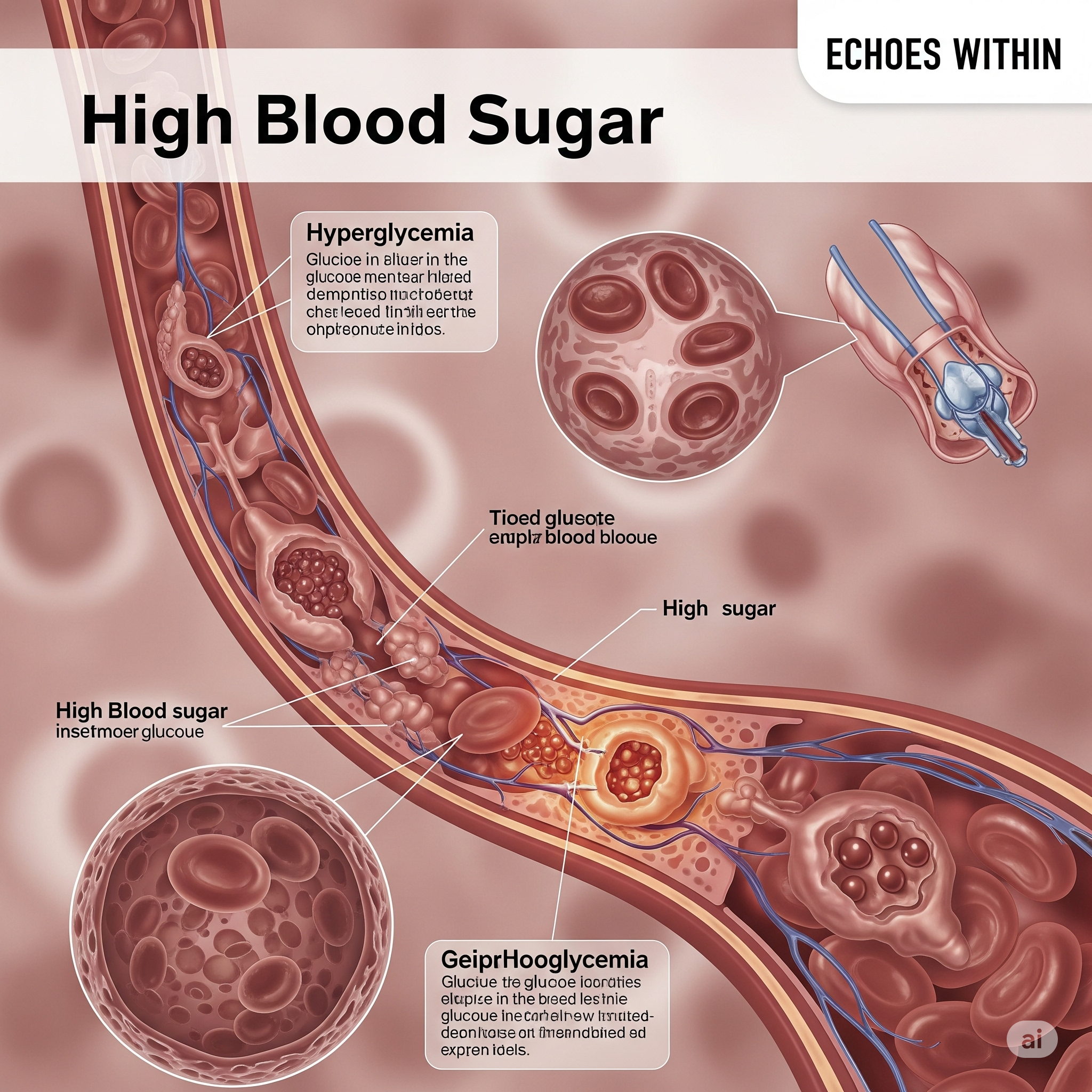
A condition where the glucose level in blood remains too high due to either a lack of insulin or the body’s resistance to insulin.
🧠 Symptoms:
-
Frequent urination
-
Excessive thirst and hunger
-
Fatigue, blurred vision
-
Slow healing of wounds
⚠️ Improper Conditions/Causes:
-
Unhealthy eating habits (excess sugar)
-
Sedentary lifestyle
-
Obesity
-
Family history of diabetes
✅ Prevention & Control:
-
A balanced diet with low sugar and carbs
-
Regular physical activity
-
Maintain a healthy weight
-
Regular check-ups and medication (if needed)
3. 🧪 Uric Acid (Hyperuricemia / Gout)
📌 Description:
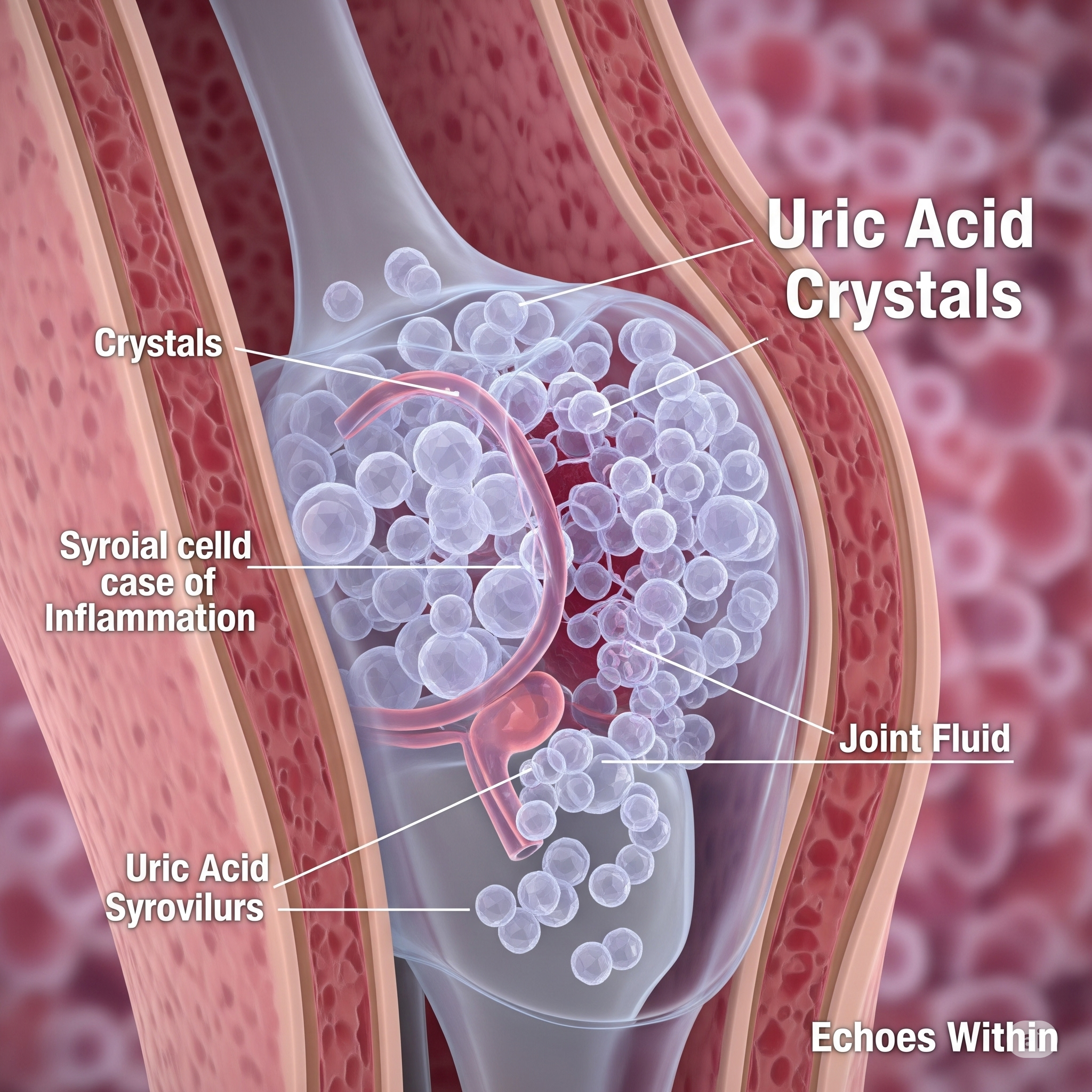
Uric acid builds up in the blood and forms crystals in joints, causing pain (commonly known as gout).
🧠 Symptoms:
-
Sharp joint pain (especially big toe)
-
Swelling and redness
-
Limited joint movement
⚠️ Improper Conditions/Causes:
-
High-protein/purine-rich food (red meat, alcohol)
-
Kidney dysfunction
-
Dehydration
-
Obesity
✅ Prevention & Control:
-
Drink plenty of water
-
Avoid red meat, alcohol, and sugary drinks
-
Maintain a healthy body weight
-
Use prescribed uric acid-lowering medications
4. ❤️ Heart Attack (Myocardial Infarction)
📌 Description:
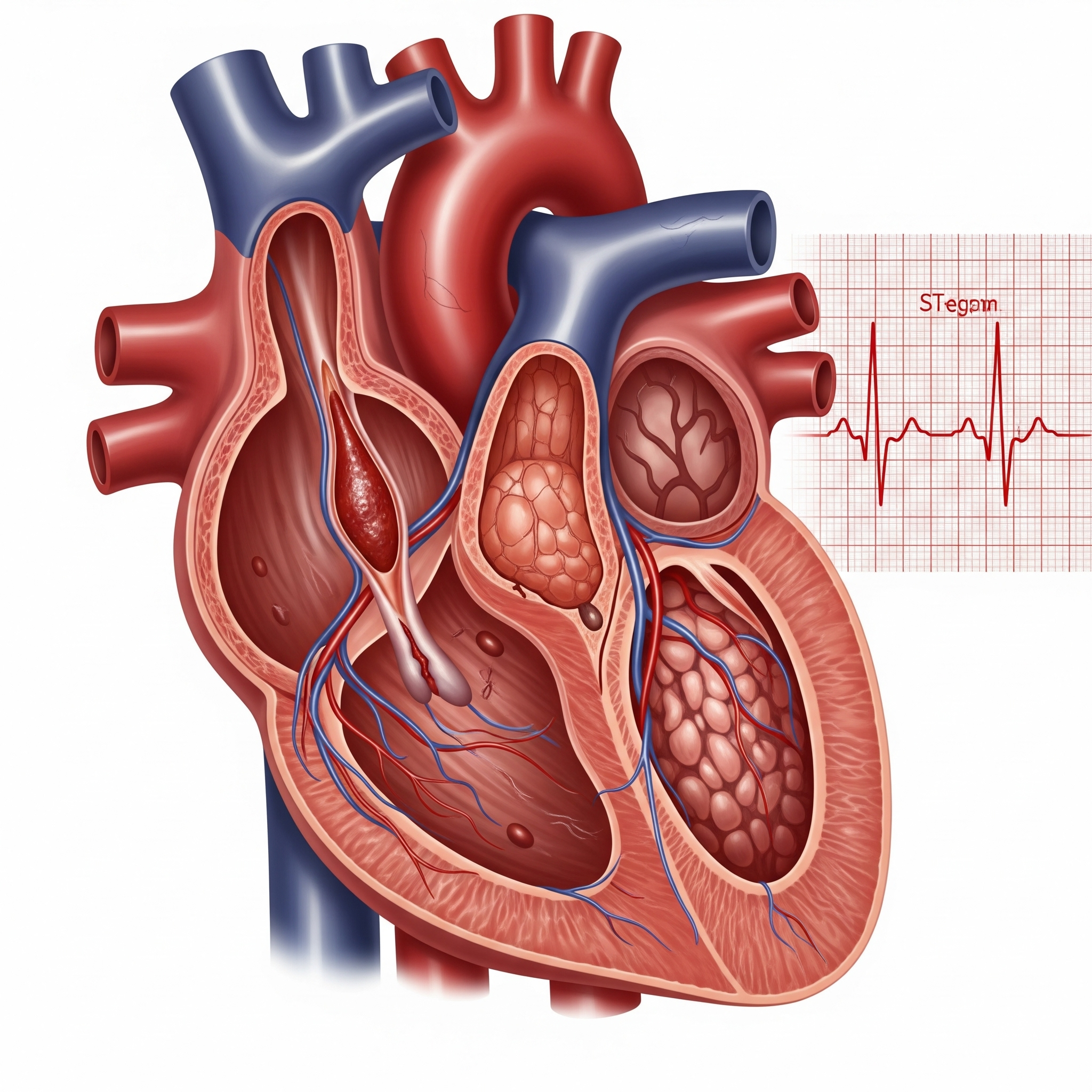
Occurs when the blood flow to heart muscles is blocked, usually due to a clot, causing permanent heart damage.
🧠 Symptoms:
-
Severe chest pain (spreading to the arm, jaw)
-
Shortness of breath
-
Nausea, sweating
-
Anxiety or fainting
⚠️ Improper Conditions/Causes:
-
Blocked arteries from cholesterol (atherosclerosis)
-
Smoking
-
High blood pressure & sugar
-
Stress and obesity
✅ Prevention & Control:
-
Eat a heart-healthy diet (low fat/sugar)
-
Regular exercise
-
Avoid tobacco and excess alcohol
-
Control BP, sugar, cholesterol
-
Take prescribed heart medicines regularly