
🌍 Introduction: Is Mindfulness Alone Enough?
Over the past decade, mindfulness has become a popular solution for mental stress. From meditation apps to breathing exercises, it has helped millions become more aware of their thoughts.
However, as mental health challenges continue to rise globally, one important question emerges: Is mindfulness alone enough?
Increasingly, experts believe the answer is no. Therefore, the world is now shifting toward a broader approach known as continuous care.
🧠 What Is Mindfulness—and Its Limitations?
Mindfulness encourages:
present-moment awareness
non-judgmental observation
emotional regulation
Although it is beneficial, mindfulness often:
treats symptoms, not causes
relies on individual effort
lacks long-term structure
As a result, people may feel calm temporarily, yet struggle again when stress returns.
🔄 What Is Continuous Care for Mental Health?
Continuous care focuses on ongoing mental well-being, not just crisis management.
It includes:
regular emotional check-ins
supportive relationships
lifestyle balance
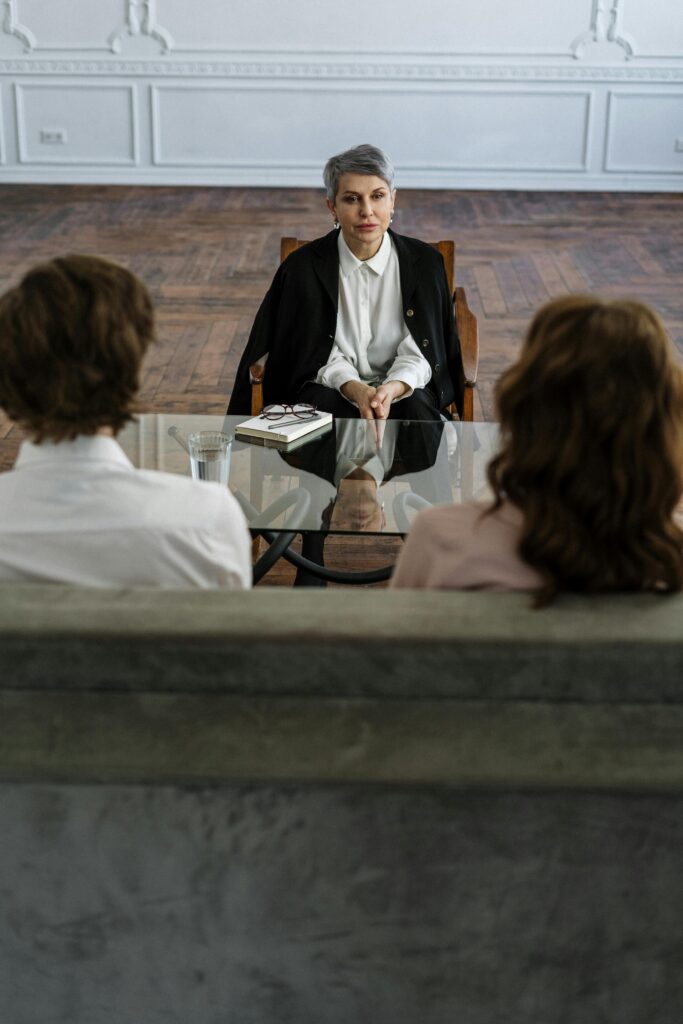
professional guidance when needed
early intervention
In contrast to short-term coping tools, continuous care builds long-term psychological resilience.
🌱 Why the World Is Shifting Toward Continuous Care
📈 Rising Mental Health Challenges
Globally, anxiety, depression, and burnout are increasing. Consequently, one-time solutions are no longer sufficient.
🧩 Mental Health Is Not Linear
Mental health fluctuates. Some days are stable, while others are overwhelming. Therefore, care must be adaptive and ongoing rather than occasional.
🏫 Schools and Workplaces Are Rethinking Support
Institutions now recognise that:
Mental health affects performance
Prevention is more effective than treatment
Support systems reduce long-term costs
As a result, counselling programs and emotional education are becoming continuous rather than reactive.
🪞 Mindfulness vs Continuous Care: A Comparison
| Mindfulness | Continuous Care |
|---|---|
| Short-term relief | Long-term support |
| Individual practice | Community & professional support |
| Symptom-focused | Root-cause focused |
| Optional habit | Integrated lifestyle |
Thus, mindfulness becomes one tool within continuous care, not the entire solution.
🧭 What Continuous Care Looks Like in Daily Life
Continuous care may include:
emotional awareness in daily routines
open conversations about mental health
regular counselling or mentoring
balanced work, rest, and social life
healthy digital boundaries
Over time, these practices prevent burnout rather than reacting to it.
🎓 Why Students and Youth Need Continuous Care
Students face:
academic pressure
identity confusion
social comparison
uncertainty about the future
Therefore, mental care must be built into education, not added only during crises.
👪 The Role of Families and Communities
Families can:
create emotionally safe environments
normalise seeking help
listen without judgment
Similarly, communities that support mental well-being reduce stigma and promote healing.
🌟 The Future of Mental Health Care
Looking ahead, mental health will be:
proactive rather than reactive
personalised rather than generic
continuous rather than occasional
In this future, well-being becomes a daily practice—not an emergency response.
🌱 Conclusion: From Awareness to Sustained Well-Being
In conclusion, mindfulness remains valuable, but it is not sufficient alone. The growing mental health crisis demands continuous care that supports people throughout life.
When care becomes ongoing, mental health transforms from survival to sustainable well-being.
✨ Final Thought
Mental health is not something to fix once.
It is something to care for—continuously.