
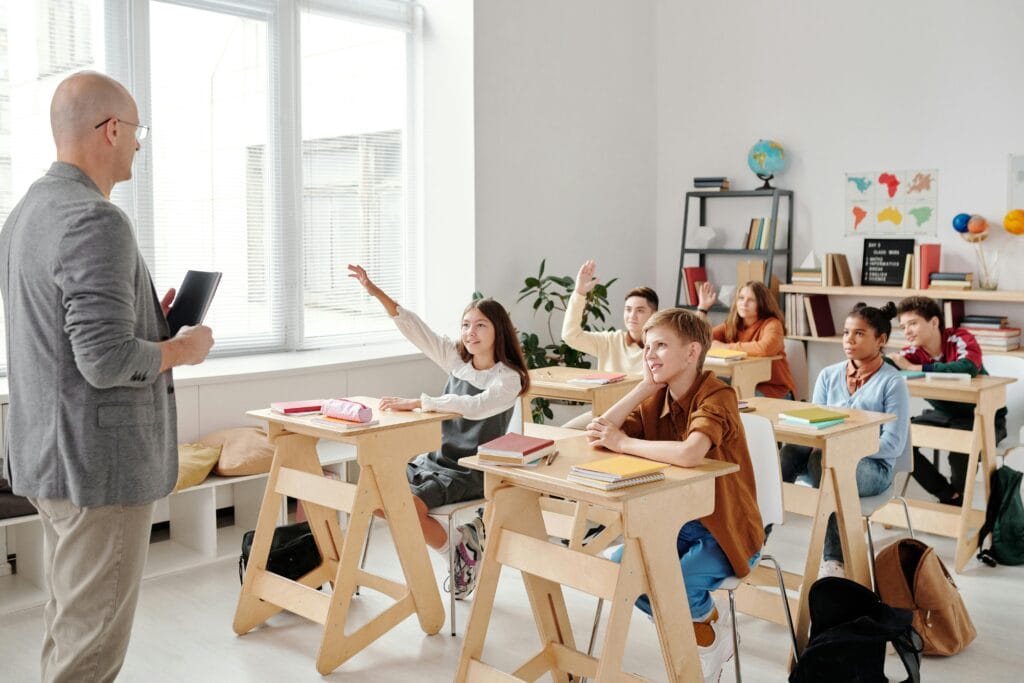
Artificial Intelligence is transforming many industries, from healthcare to finance. Naturally, students and educators are beginning to ask an important question: Will AI replace teachers in the future?
At first glance, the idea may seem possible. After all, AI tools can explain lessons, generate quizzes, and even answer students’ questions instantly. However, when we examine education more carefully, the truth becomes much clearer.
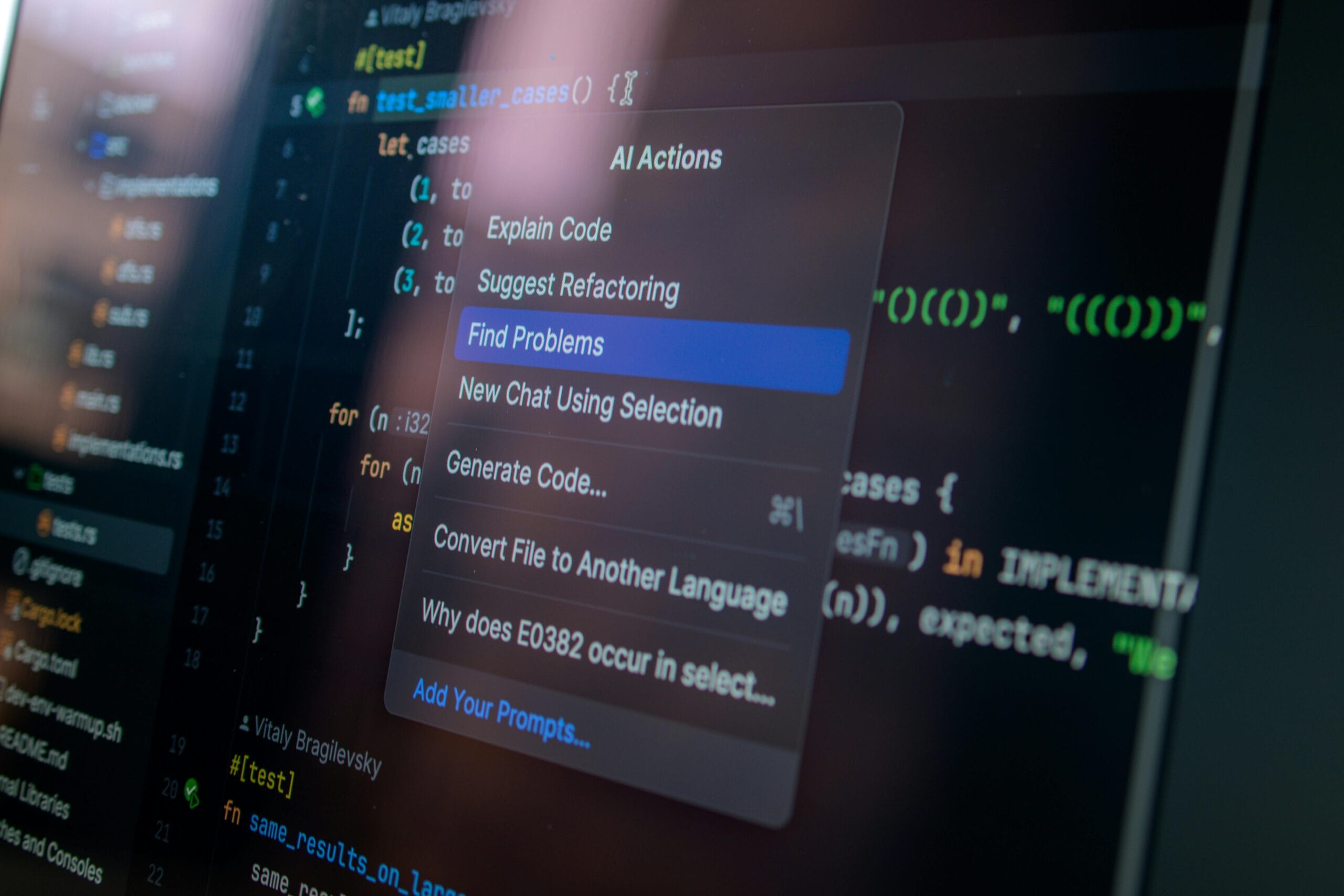
In reality, AI is more likely to support teachers rather than replace them.
The Growing Role of AI in Education
First of all, AI technology is becoming increasingly common in modern classrooms. Educational tools such as ChatGPT help students understand complex concepts and practice questions.
Similarly, platforms like Khan Academy provide personalized lessons that adapt to each student’s learning speed.
Because of these innovations, students can access knowledge more easily than ever before. Nevertheless, technology alone cannot fully replace the role of a teacher.
What AI Can Do Well
AI is extremely powerful when it comes to handling repetitive and data-based tasks. For example, AI systems can:
explain concepts quickly
generate practice questions
summarize lessons
assist with grading assignments
Consequently, teachers can save time and focus on more meaningful aspects of teaching.
In other words, AI acts as a teaching assistant, not a replacement.
What AI Cannot Replace
Despite its impressive abilities, AI still lacks several essential human qualities.
1. Emotional Understanding
Teachers understand students’ emotions, struggles, and motivations. They can encourage a discouraged learner or guide a confused student. AI, however, cannot truly feel empathy.
2. Personal Mentorship
A teacher does more than explain lessons. They inspire, mentor, and shape students’ character. This human connection is extremely difficult for machines to replicate.
3. Classroom Interaction
Real classrooms involve discussions, debates, and social learning. Teachers guide these interactions and create an environment where students learn from each other.
Therefore, the human element of teaching remains irreplaceable.
How AI Will Change the Role of Teachers
Instead of replacing teachers, AI will likely transform how teaching works.
For instance, teachers may use AI to:
generate lesson plans
create quizzes instantly
analyze student progress
design interactive learning materials
Tools like Google Classroom already help teachers manage assignments and communication efficiently.
As a result, teachers can spend more time guiding students and less time on administrative tasks.
The Future: Teachers + AI Working Together
The most realistic future of education is not AI versus teachers, but rather AI working alongside teachers.
In this model:
AI provides information and automation
Teachers provide guidance, inspiration, and human connection
Together, they create a more effective learning experience for students.
Final Thoughts
Artificial Intelligence is a powerful educational tool, but it cannot replace the human qualities that make teaching meaningful.
While AI can explain lessons and automate tasks, teachers remain essential for mentorship, emotional support, and real classroom interaction.
Therefore, instead of fearing AI, students and teachers should learn how to use it wisely to enhance education.
Ultimately, the future of learning will belong not to machines alone, but to humans who know how to use technology intelligently.
📝 You Can Also Read:
- Are Students Losing Brain Power by Relying on AI Tools Like ChatGPT and Google?
- From Playground to Society: How to Teach Children Responsibility from an Early Age
- Why Do Some People Lie All the Time? How to Protect Yourself from Constant Liars
- When Your Soul Rejects Lies but Truth Hurts: Understanding the Inner Conflict
- Why People Support Someone Even When They Are Wrong: The Hidden Psychology
- Why We Feel Excited to Share New Things We Hear or Learn