
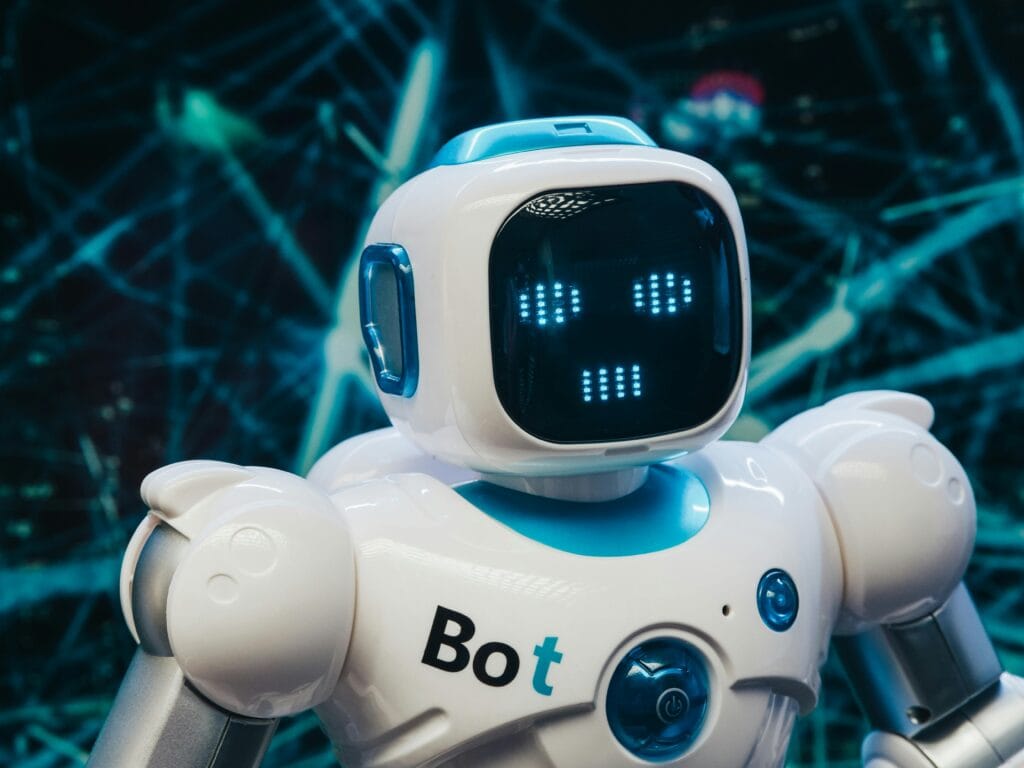
Future classroom AI era:
Education has always evolved alongside technological progress. From chalkboards to projectors and from textbooks to digital tablets, each generation has experienced new ways of learning. Today, another major transformation is happening through Artificial Intelligence.
As AI technology continues to develop, classrooms around the world are gradually changing. Consequently, the future classroom in the AI era will look very different from the traditional learning environments we know today.
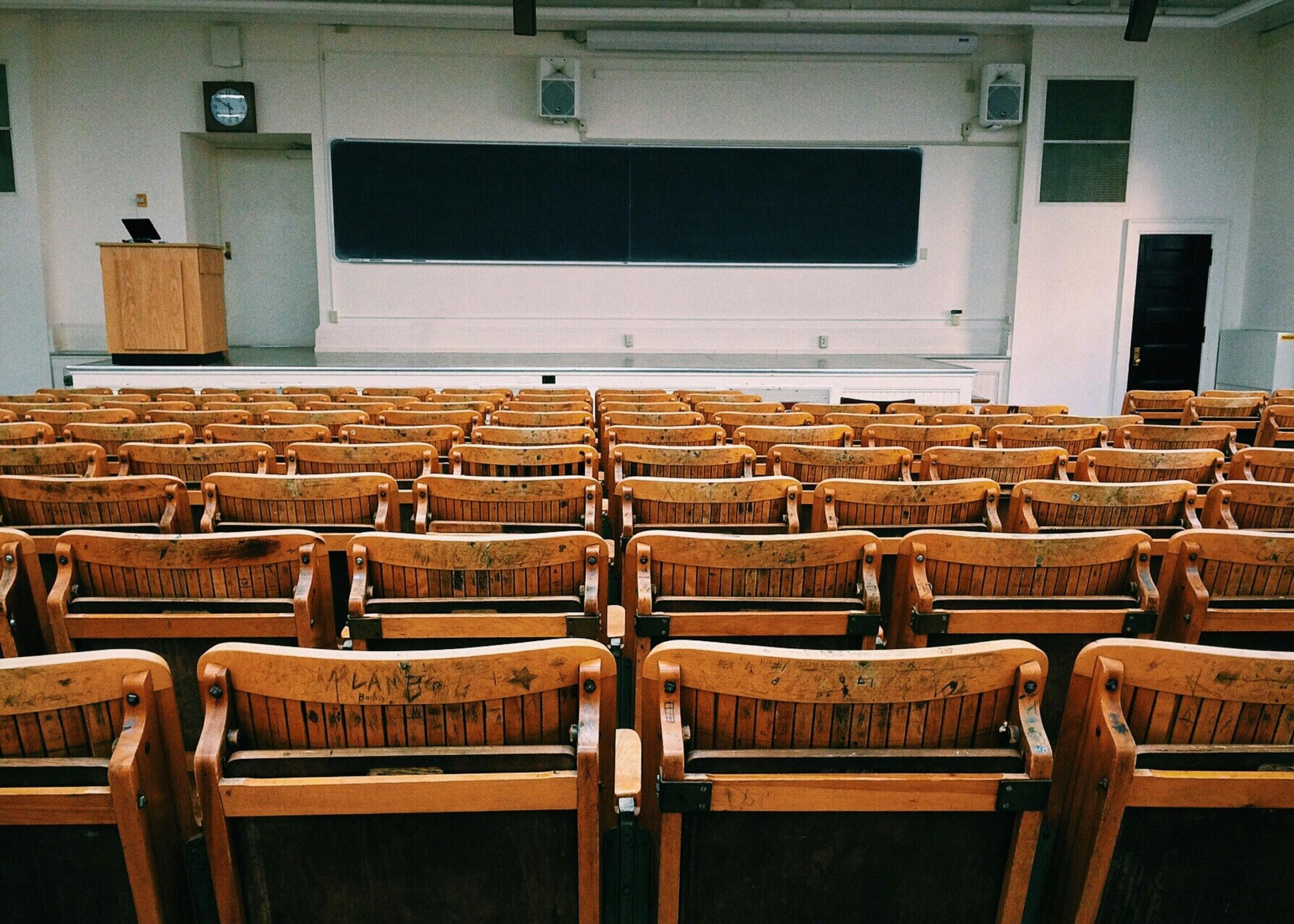
Let us explore how AI is shaping the future of education.
Personalized Learning for Every Student
First of all, one of the biggest changes in the future classroom will be personalized learning. In traditional classrooms, teachers often have limited time to address the unique learning pace of every student.
However, AI-powered learning systems can analyze a student’s strengths, weaknesses, and progress.
For example, platforms like Khan Academy already use AI features to adapt lessons according to individual learning needs.
As a result, students can learn at their own pace, receiving additional practice where needed.
AI as a Classroom Assistant
Another important development is the role of AI as a teaching assistant. Rather than replacing teachers, AI will help manage many routine tasks.
For instance, tools such as ChatGPT can assist with:
explaining difficult concepts
generating quizzes
answering common student questions
Therefore, teachers can focus more on mentoring students and guiding deeper discussions.
Smart Digital Classrooms
Furthermore, classrooms themselves are becoming more technologically advanced. Digital boards, interactive presentations, and online learning platforms are already changing how lessons are delivered.
Systems like Google Classroom allow teachers to distribute assignments, provide feedback, and communicate with students efficiently.
Consequently, learning materials become easily accessible anytime and anywhere.
Interactive and Visual Learning
Another feature of the future classroom is the use of interactive and visual learning tools. Instead of relying only on textbooks, students will increasingly learn through digital simulations, videos, and creative presentations.
Design platforms such as Canva enable students to create visual projects, presentations, and educational graphics.
As a result, learning becomes more engaging and memorable.
AI-Based Student Progress Analysis
AI technology can also help teachers track student performance more effectively. By analyzing learning patterns, AI systems can identify which topics students find difficult.
Consequently, teachers can adjust their teaching strategies and provide targeted support where it is needed most.
This approach improves both teaching efficiency and student outcomes.
Learning Beyond the Classroom
In the AI era, education will no longer be limited to physical classrooms. Students will have access to digital learning resources anytime through online platforms and intelligent tutoring systems.
Therefore, learning will become more flexible, allowing students to explore subjects independently while still receiving guidance from teachers.
The Human Role in the Future Classroom
Despite these technological advancements, teachers will remain essential. AI can deliver information, but it cannot replace human empathy, inspiration, and mentorship.
Teachers will continue to play crucial roles in:
motivating students
encouraging creativity
guiding critical thinking
developing character and values
Thus, the future classroom will combine human teaching with intelligent technology.
Final Thoughts
The AI era is bringing exciting possibilities for education. Personalized learning, intelligent tutoring systems, and digital classrooms are already reshaping how students learn and how teachers teach.
However, the true future of education lies not in replacing teachers with machines, but in integrating AI tools to support better learning experiences.
Ultimately, the most successful students and educators will be those who learn how to use technology wisely while preserving the human spirit of education.