

In today’s AI-driven and digitalized world, avoiding screens is almost impossible. Whether you are a student, freelancer, or office worker, most of your time is spent in front of a mobile or computer.
However, this constant exposure comes with a hidden cost—eye strain, headaches, poor sleep, and even long-term health issues.
So the real question is not “How do we avoid screens?”
👉 Instead, it is “How do we protect our eyes and health while using them?”
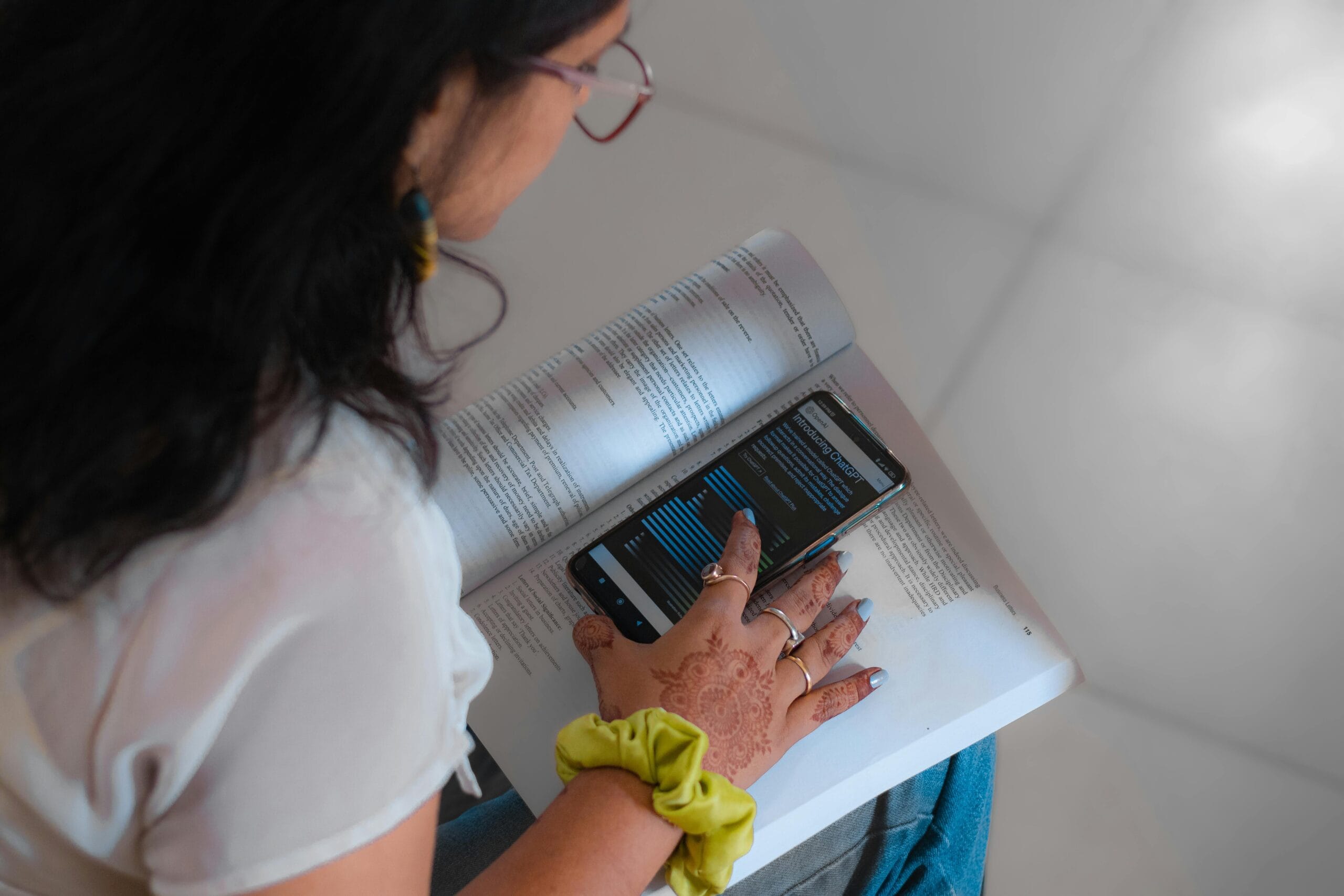
Let’s explore scientifically supported ways to stay safe without compromising productivity.
What Happens to Your Eyes During Long Screen Use?
First of all, prolonged screen exposure leads to a condition known as Computer Vision Syndrome.
This includes:
- dry eyes
- blurred vision
- headaches
- neck and shoulder pain
Moreover, when staring at screens, we blink less frequently. As a result, eyes become dry and irritated.
1. Follow the 20-20-20 Rule
One of the simplest and most effective methods is the 20-20-20 rule.
👉 Every 20 minutes, look at something 20 feet away for 20 seconds.
This relaxes eye muscles and reduces strain significantly.
2. Adjust Screen Brightness and Contrast
Your screen should not be brighter than your surroundings.
If the screen is too bright or too dim, your eyes work harder. Therefore, maintaining balanced brightness helps reduce fatigue.
3. Maintain Proper Distance and Position
Keep your screen:
- about an arm’s length away
- slightly below eye level
This reduces stress on both eyes and neck.
4. Use Blue Light Filters
Screens emit blue light, which can affect sleep and eye comfort.
Using built-in filters or apps can reduce this exposure, especially during night use.
5. Blink More Frequently
Although it sounds simple, blinking is essential.
Since screen users blink less, consciously blinking helps keep eyes moist and prevents dryness.
6. Take Regular Breaks
Working continuously without breaks increases both mental and visual fatigue.
Therefore, short breaks every 30–60 minutes allow your eyes and brain to recover.
7. Use Proper Lighting
Avoid working in very dark or overly bright environments.
Balanced lighting reduces strain and helps your eyes adjust comfortably.
8. Adjust Text Size and Screen Settings
Small text forces your eyes to work harder.
Increasing font size and using comfortable contrast settings can make reading easier and reduce stress.
9. Stay Hydrated and Maintain Nutrition
Eye health is also connected to body health.
Drinking enough water and consuming nutrients like vitamins A and C supports proper vision and reduces dryness.
10. Practice Eye Exercises
Simple eye movements and focusing exercises can improve flexibility and reduce stiffness in eye muscles.
11. Maintain Good Posture
Eye strain is often linked with body posture.
Sitting properly with a straight back and relaxed shoulders reduces overall strain, including on the eyes.
12. Protect Your Sleep Cycle
Excessive screen use, especially at night, disrupts sleep due to blue light exposure.
Therefore, avoid screens at least 30–60 minutes before sleep.
Why This Matters More in the AI Era
As AI and digital work continue to grow, screen time will only increase—especially for freelancers, students, and remote workers.
Therefore, protecting your eyes is no longer optional—it is essential for long-term productivity and health.
Final Thought
You cannot escape screens in today’s world. However, you can control how they affect you.
By making small, consistent changes, you can:
- protect your vision
- improve focus
- maintain overall well-being
So instead of fearing screen time, learn to use it wisely and safely.
👉 Because in the end:
Your eyes are your most valuable tools in the digital world—take care of them.
📝 You Can Also Read:
- Why We Mindlessly Scroll: The Psychology Behind Mobile Scrolling in Free Time — and How to Break the Habit
- Mobile Radiation: Practical and Effective Ways To Protect Ourselves From Everyday Radiation.
- Mental Strength Tips for Students: How to Stay Focused, Confident, and Resilient
- “Can You Track Your Own Brain? The Smart Method to Understand Your Thinking, Focus & Habits”
- 10 Daily Habits That Make AI Creators 10x More Productive
- Beyond Mindfulness: Why the World Is Moving Toward “Continuous Care” for Mental Health
- Why Can We Not Be as Healthy and Fit as Children? Natural Ways to “Service” Your Body at Home and Regain Youthful Vitality
- “Stuck in the Wrong Circle? Here’s How to Change Your Environment and Uplift Your Life”
- Digital Devices and Your Eyes