

(Social Comparison Theory)
Have you ever looked at someone’s success and felt either inspired—or suddenly inadequate?
If yes, you’re not alone. In fact, this instinct is deeply rooted in human psychology and is explained by:
👉 Social comparison theory
At first, comparison may seem harmless. However, over time, it can shape your decisions, emotions, income, and even relationships.
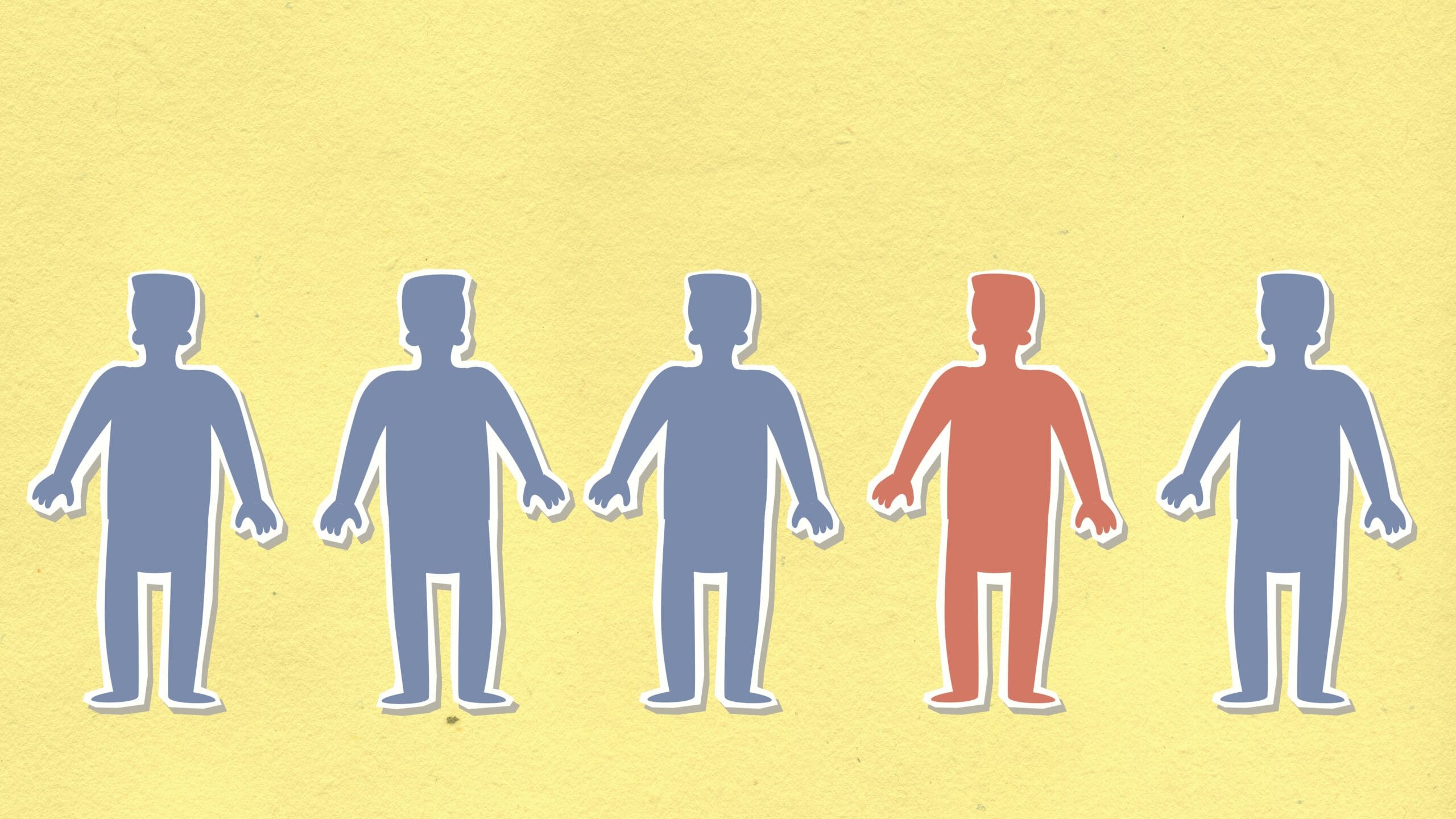
🔍 What Is Social Comparison Theory?
Social comparison theory, introduced by Leon Festinger, explains that:
👉 Humans naturally evaluate themselves by comparing with others.
In other words:
- We judge our success by others’ achievements
- We measure happiness by others’ lifestyles
- We define worth based on external standards
Therefore, comparison is not a bad habit—it is a natural process.
⚖️ Two Types of Comparison (And Why They Matter)
1️⃣ Upward Comparison (Looking Above)
This happens when you compare yourself with someone more successful.
👉 Effects:
- Can motivate growth
- However, may also create stress, jealousy, or self-doubt
For example:
Seeing a successful entrepreneur may inspire you—but also make you feel behind.
2️⃣ Downward Comparison (Looking Below)
This happens when you compare yourself with someone less successful.
👉 Effects:
- Boosts confidence
- However, may reduce ambition
For instance:
You may feel satisfied—but stop pushing forward.
🔄 Why Comparison Is Stronger Today Than Ever
In the past, comparison was limited to:
- Family
- Neighbors
- Local society
However, today’s digital world has changed everything.
We now live in what is often called a Global village, where:
- Social media shows curated success
- Achievements are constantly visible
- Comparison is instant and continuous
👉 As a result, the psychological pressure has increased significantly.
⚠️ The Hidden Impact of Constant Comparison
Although comparison can motivate, excessive comparison leads to serious consequences:
🧠 Mental Health
- Anxiety and stress
- Low self-esteem
- Constant dissatisfaction
💸 Financial Decisions
- Overspending to match others
- Lifestyle inflation
- Poor saving habits
💔 Relationships
- Jealousy and insecurity
- Unrealistic expectations
- Emotional distance
🧩 The Role of Emotional Awareness
To manage comparison effectively, one must develop Emotional intelligence.
👉 This helps you:
- Recognize unhealthy comparison
- Control emotional reactions
- Focus on personal growth instead of external validation
🌉 How to Use Comparison as a Tool (Not a Trap)
The goal is not to eliminate comparison—but to control it.
1️⃣ Compare Progress, Not Position
Instead of asking:
👉 “Am I ahead of others?”
Ask:
👉 “Am I better than yesterday?”
2️⃣ Limit Exposure to Unrealistic Standards
- Reduce unnecessary social media scrolling
- Focus on real-life growth
3️⃣ Learn, Don’t Compete
When you see someone successful:
👉 Study their habits instead of feeling inferior
4️⃣ Practice Gratitude
Recognizing what you already have reduces unnecessary comparison.
5️⃣ Build a Personal Definition of Success
Success should be:
- Personal
- Meaningful
- Sustainable
👉 Not copied from others.
🔄 A Simple Mindset Shift
Instead of:
👉 “Why don’t I have what they have?”
Think:
👉 “What can I learn from their journey?”
This shift transforms comparison into growth.
🧾 Final Conclusion
So, is social comparison good or bad?
👉 It depends on how you use it.
Uncontrolled comparison:
- Creates stress
- Weakens confidence
- Distorts reality
Controlled comparison:
- Inspires growth
- Improves decisions
- Strengthens mindset
Therefore, the key is not to stop comparing—but to compare wisely.
Because in the end,
your real competition is not others—it is your own potential.
You Can Also Read:
- 🌐 Global Village Explained: How a Connected World Is Changing Money, Mindset, and Relationships
- 🧠 Mother vs Wife Conflict: How Men Shape (or Break) the Emotional Balance at Home
- 🧠 Are We Becoming More Selfish Every Day? The Silent Shift Destroying Society
- What Is the Lucifer Effect? Why Is It Trending So Much on Social Media?
- From Playground to Society: How to Teach Children Responsibility from an Early Age