
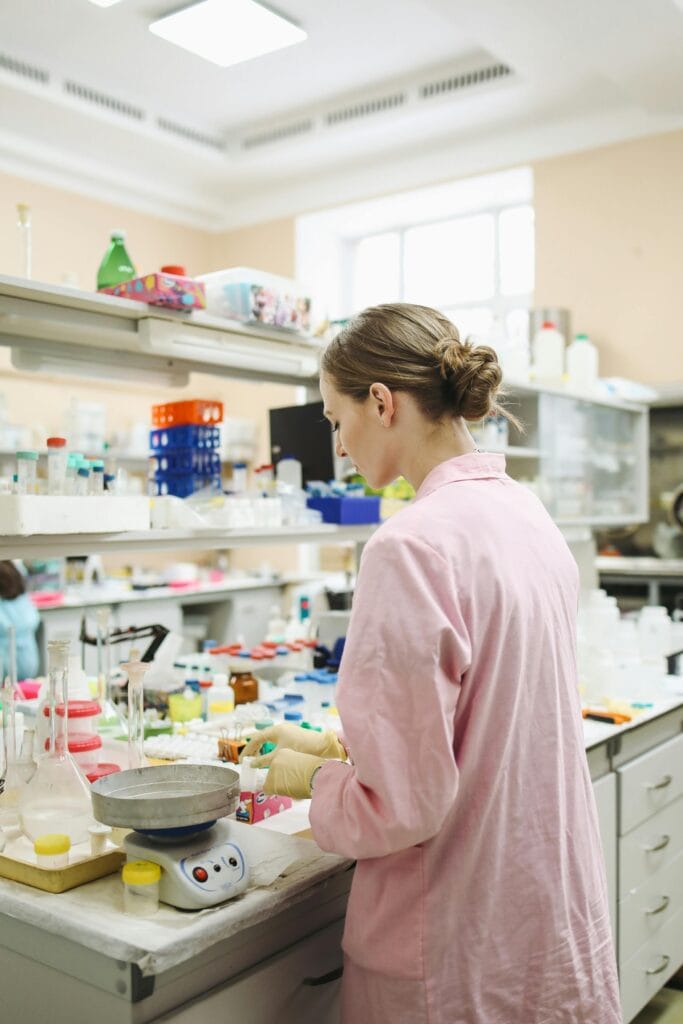
Chemistry in the kitchen:
Have you ever noticed how simple ingredients transform into something completely different while cooking?
At first, it may seem like magic. However, behind every delicious dish lies a fascinating world of chemistry. From rising bread to caramelised sugar, your kitchen is actually a small laboratory where countless chemical reactions take place.
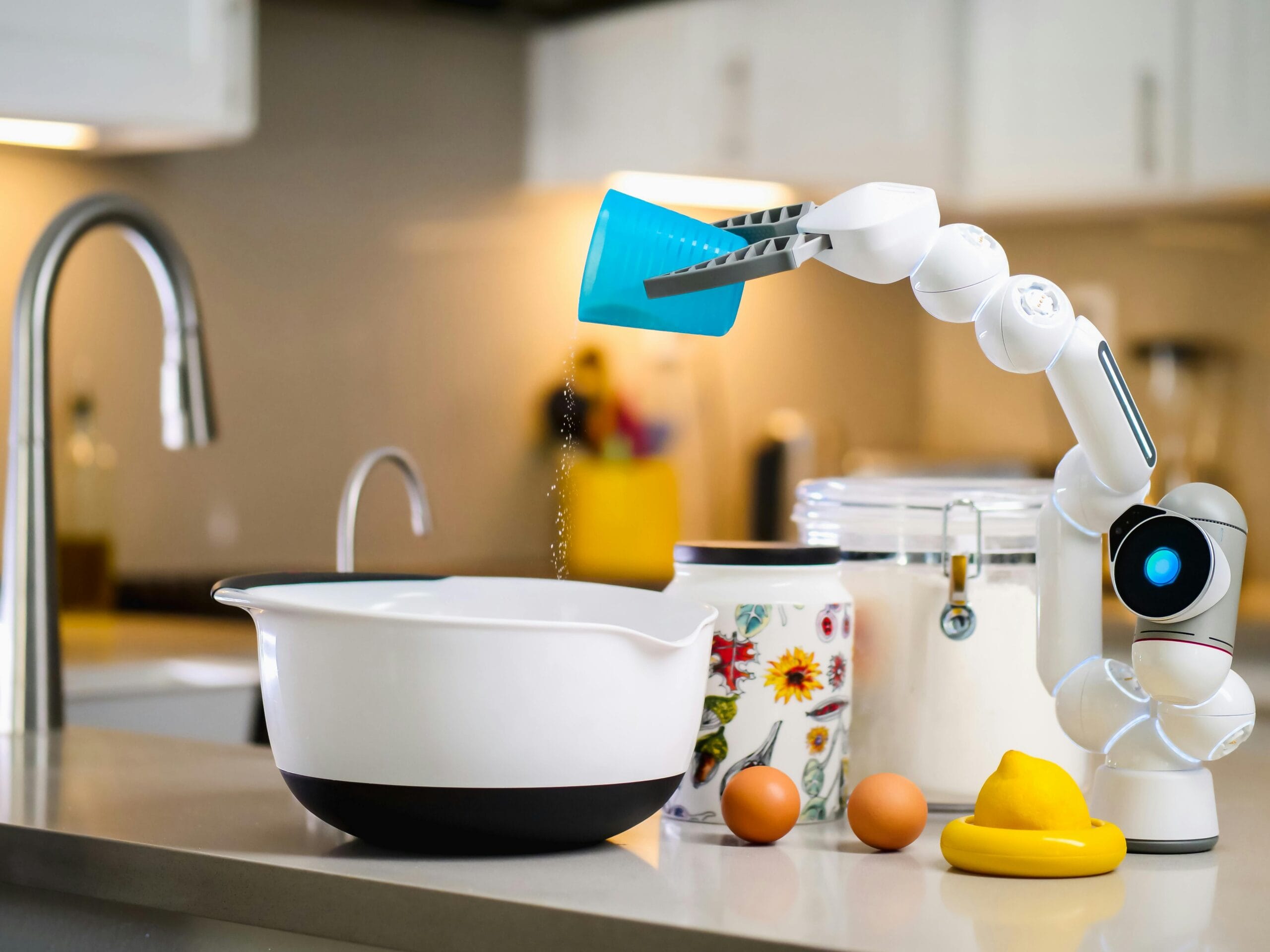
Therefore, understanding these reactions not only makes cooking more interesting but also helps you improve your skills.
Let’s explore 10 everyday kitchen reactions that look like magic but are actually science in action.
1. Baking Soda + Acid = Bubbles Everywhere
One of the most common reactions in the kitchen occurs when baking soda reacts with an acid like lemon juice or vinegar.
As a result, carbon dioxide gas is released, creating bubbles that make cakes and pancakes soft and fluffy.
Thus, what looks like simple rising is actually a chemical reaction at work.
2. Caramelisation of Sugar
When sugar is heated, it breaks down, forming new compounds that turn brown and develop a rich flavour.
Consequently, this process gives caramel its unique taste and colour.
Although it appears simple, caramelisation involves complex chemical changes.
3. The Maillard Reaction (Browning of Food)
Have you ever wondered why bread crust turns brown or why fried food smells so delicious?
This happens through the Maillard reaction, in which proteins and sugars react when heated.
As a result, food develops a deep flavour and appealing colour.
4. Boiling Eggs: Liquid to Solid
When you boil an egg, the proteins inside change structure due to heat.
Therefore, the liquid egg white turns solid.
This transformation may seem magical, but it is simply protein denaturation.
5. Fermentation: The Science Behind Bread and Yoghurt
Fermentation occurs when microorganisms like yeast or bacteria break down sugars.
For example, yeast produces carbon dioxide in bread dough, making it rise.
Similarly, bacteria convert milk into yoghurt.
Thus, fermentation is a natural process that transforms food texture and taste.
6. Emulsification: Oil and Water Become One
Normally, oil and water do not mix. However, when you add an emulsifier like egg yolk or mustard, they combine.
This is how mayonnaise and salad dressings are formed.
As a result, two incompatible liquids become a stable mixture.
7. Melting and Solidifying Chocolate
Chocolate melts when heated and solidifies again when cooled.
Although it seems simple, the process involves precise changes in fat crystal structures.
Therefore, proper temperature control is essential for smooth and glossy chocolate.
8. Browning of Apples
When you cut an apple and leave it exposed, it turns brown.
This happens due to oxidation, where enzymes react with oxygen in the air.
However, adding lemon juice can slow down this reaction.
Thus, even fruit colour change is chemistry in action.
9. Thickening of Sauces
When you add flour or cornstarch to a liquid and heat it, the mixture thickens.
This occurs because starch molecules absorb water and expand.
Consequently, sauces become smooth and rich.
10. Cooking Rice: Water Absorption
When rice is cooked, it absorbs water and swells.
As a result, its texture changes from hard grains to soft, edible food.
Although it looks simple, it involves physical and chemical changes in starch.
Why Kitchen Chemistry Matters
Understanding kitchen chemistry is not just for scientists—it is useful for everyone.
For instance:
It helps you avoid cooking mistakes
It improves food texture and flavour
It makes cooking more enjoyable and creative
Therefore, once you understand the science, cooking becomes more predictable and exciting.
Final Thoughts
Your kitchen is not just a place to cook—it is a space where science comes alive.
Every time you bake, fry, or boil, you are witnessing chemical reactions that transform simple ingredients into something extraordinary.
So next time you cook, remember:
What looks like magic is actually chemistry working quietly behind the scenes.
You Can Also Read:
- Chemicals Used in Daily Life: Food Preservatives, Cleaning Chemicals, Safety Precautions & Industrial Chemical Pollution – Class 10 Science Notes
- Chemical Reactions — Types and Rate of Reaction
- 3. Chemical Reactions and Equations
- Why Modern Habits Are Changing Our Brain
- The Hidden Fire: Understanding and Honouring the Anger of Housewives
- The Future Classroom: What Education Will Look Like in the AI Era