

Is It Always Good to Speak the Truth?
Truth is often considered one of the highest moral values in human society. From childhood, people are taught that honesty is the best policy. Parents encourage children to speak the truth, teachers praise honesty, and many religious and philosophical traditions emphasise truthfulness as a virtue.
However, an important question arises: Is it always good to speak the truth?
At first glance, the answer may seem obvious. Yet when we look more closely at human relationships, social situations, and emotional realities, the issue becomes far more complex.
Therefore, understanding the balance between truth, wisdom, and compassion becomes essential.
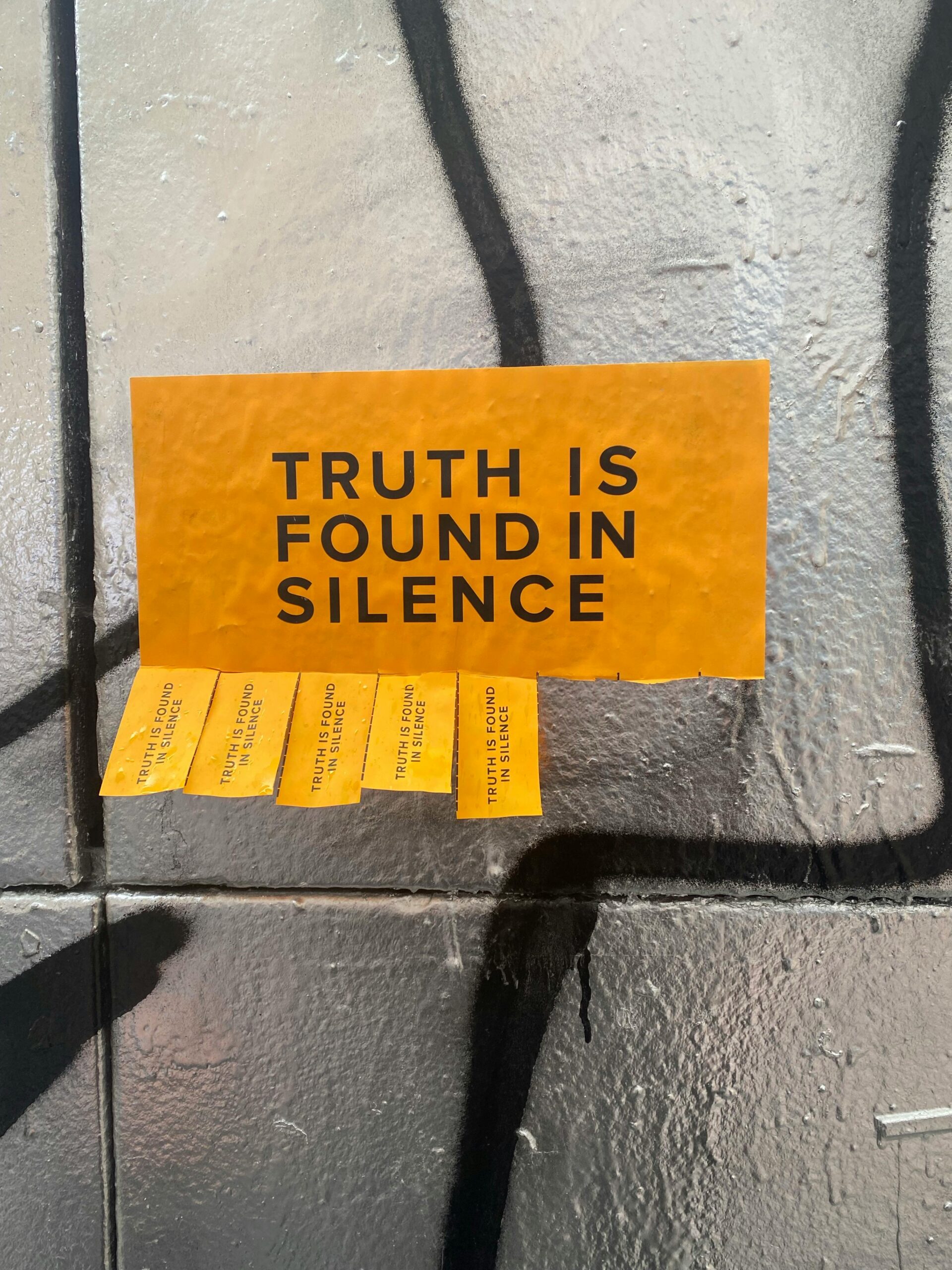
The Moral Value of Truth
First of all, truth plays a crucial role in building trust. Without honesty, relationships cannot survive for long. Friends rely on truthful communication, families depend on mutual trust, and societies function better when people value truth.
Moreover, truth helps individuals maintain integrity. When people consistently speak honestly, they develop a reputation for reliability and moral strength.
As a result, honesty often creates stronger connections and deeper respect among individuals.
When Truth Becomes Harmful
However, not every situation is simple.
Sometimes speaking the truth directly may cause unnecessary pain or harm. For example, telling someone a harsh truth without sensitivity can damage their emotions or self-esteem.
Similarly, in delicate situations such as illness, grief, or personal struggles, blunt honesty may worsen someone’s mental state.
Therefore, while truth itself is valuable, the way it is communicated matters greatly.
In many cases, wisdom lies not only in what we say but also in how and when we say it.
The Difference Between Honesty and Brutal Honesty
Another important distinction exists between honesty and brutal honesty.
Honesty seeks truth with kindness and respect. In contrast, brutal honesty often uses truth as a weapon to criticise or hurt others.
For instance, someone may claim they are “just being honest,” while in reality they are expressing anger, frustration, or ego.
Consequently, truth should never be used to justify cruelty.
Instead, honest communication should be guided by empathy and understanding.
Social Harmony and Practical Wisdom
Furthermore, societies function smoothly when people balance honesty with social awareness.
In everyday life, people often soften truths to maintain harmony. For example, polite responses, small social compliments, or avoiding unnecessary criticism help maintain peaceful interactions.
Although these situations may not represent the absolute truth, they help preserve respect and cooperation among individuals.
Thus, practical wisdom sometimes guides people to speak the truth with moderation.
The Role of Intention
Perhaps the most important factor is intention.
Before speaking the truth, it is useful to ask simple questions:
Is this truth helpful?
Is it necessary?
Is this the right time to say it?
Can it be expressed with kindness?
If the intention is to help, guide, or protect someone, truth becomes constructive. However, if the intention is to embarrass, dominate, or hurt others, even truth can become destructive.
Therefore, intention transforms the impact of honesty.
Truth, Courage, and Responsibility
At the same time, there are moments when truth must be spoken clearly and courageously.
For example, when injustice, corruption, or wrongdoing occurs, silence can support the problem. In such situations, speaking the truth becomes a moral responsibility.
History shows that many social changes began because individuals dared to speak the truth despite fear or opposition.
Thus, honesty sometimes requires courage.

Finding the Balance
Ultimately, the question is not simply whether truth should be spoken, but how it should be expressed.
Truth without compassion may become cruelty.
Compassion without truth may become dishonesty.
Therefore, the healthiest approach combines both honesty and wisdom.
When truth is delivered with respect, empathy, and good intention, it strengthens relationships rather than destroying them.
Final Thoughts
Speaking the truth is generally a noble principle. Nevertheless, life requires more than rigid honesty. It requires emotional intelligence, awareness, and compassion.
In reality, the goal is not merely to speak truth but to speak truth wisely.
Because in the end, truth becomes most powerful when it illuminates understanding instead of causing unnecessary harm.
You Can Also Read:
- Why People Support Someone Even When They Are Wrong: The Hidden Psychology
- Why We Feel Excited to Share New Things We Hear or Learn
- Why People Believe Someone Too Much and How to Overcome Disappointment When Expectations Break
- What Is Brainwashing? And How Can You Protect Your Mind From Negative People
- Have You Ever Slept on a Working Chair During Office Hours? The Real Neuroscience Behind It
- Starting Your Morning with a Cup of Tea: Good and Bad Effects on Health According to WHO