
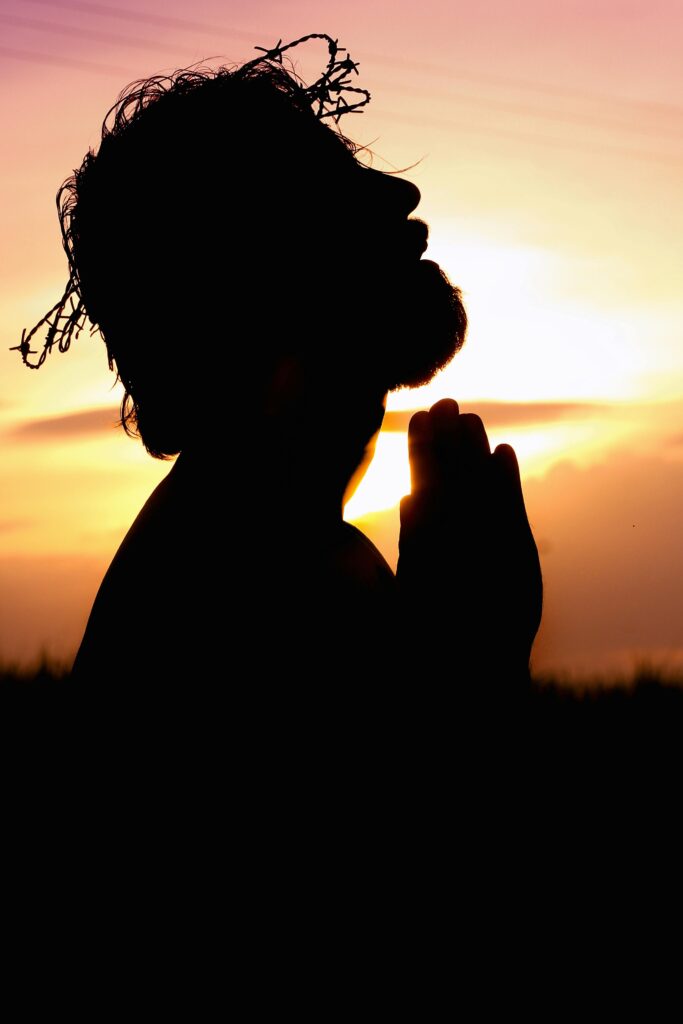
Sacrifice an Animal to God: A Spiritual and Ethical Perspective
Throughout human history, animal sacrifice has been a deeply symbolic act — a gesture of devotion, gratitude, or repentance toward a higher power. Yet, as our understanding of life, compassion, and morality evolves, many are now questioning: Is it right or wrong to sacrifice an animal to God?
Let’s explore this topic from religious, ethical, and modern spiritual viewpoints — and discover what true devotion might really mean.
🕉️ 1️⃣ The Historical and Religious Context
Animal sacrifice is not new. In ancient times, it was considered a sacred offering — a way to communicate with divine forces or seek blessings. From Vedic rituals in Hinduism to Old Testament practices and Islamic traditions like Qurbani, the act symbolised surrender, humility, and gratitude.
In those eras, sacrifice represented giving up something valuable — not for cruelty, but as a symbol of spiritual exchange and respect for divine power. Food from sacrifices was often shared among the people with low income, turning the ritual into a community act of generosity.
👉 Transitional insight: But as societies progressed, our moral consciousness began to change.
💭 2️⃣ The Ethical Shift: From Sacrifice to Compassion
Modern ethics emphasises non-violence, empathy, and coexistence. Many spiritual leaders, including Gautama Buddha, Mahatma Gandhi, and Swami Vivekananda, strongly opposed animal sacrifice. They argued that God — being the embodiment of love — could never be pleased by the suffering of any living being.
In Hinduism, the concept of Ahimsa (non-violence) teaches that all creatures carry the divine spark. Hurting them for ritual purposes contradicts the very essence of devotion. Similarly, Jainism and Buddhism advocate that true worship lies in compassion, not killing.
✨ Active takeaway: The shift from ritual sacrifice to symbolic offerings — like fruits, flowers, and prayers — reflects humanity’s growing spiritual maturity.
🌍 3️⃣ Understanding the Symbolism
If we look deeper, animal sacrifice was never meant to be about blood or death. Symbolically, it represented the surrender of the animal instincts within us — anger, greed, jealousy, and ego.
When ancient texts spoke of “sacrificing the goat,” they were often speaking metaphorically — urging people to tame their inner beast, not harm a real one. Unfortunately, over time, literal interpretations replaced spiritual ones.
💡 Transitional idea: So, rather than killing an animal, the truest offering is to transform our lower nature into higher consciousness.
💖 4️⃣ The Modern Spiritual Understanding
Today’s world calls for spiritual evolution — not rituals rooted in suffering. Many spiritual teachers now encourage people to express devotion through:
Charity and service to those in need
Feeding stray animals instead of sacrificing them
Planting trees and protecting nature as an offering to God
Meditation and prayer as pure forms of worship
True devotion isn’t about fear or obligation — it’s about love, awareness, and harmony with all living beings. When we practice kindness, we honour God far more than through any physical sacrifice.
🌿 Transitional point: Compassion is the bridge that connects humanity with divinity.
🔥 5️⃣ Religious Diversity and Respect
It’s also important to remember that faith is deeply personal. In some traditions, animal sacrifice remains symbolic or ritualistic, tied to cultural and historical identity. While others may disagree, respecting religious diversity and allowing open dialogue is vital.
However, even within those faiths, many scholars and believers now advocate humane alternatives, focusing on charitable giving and feeding the people with low incomes as modern forms of sacrifice.
🤝 Transitional idea: Respect doesn’t mean agreement — it means understanding that spiritual journeys differ, but compassion can unite them all.
🌞 The Final Reflection
So, is it right or wrong to sacrifice an animal to God?
From a modern, ethical, and spiritual viewpoint, it leans toward wrong, because no divine being requires pain to accept devotion. True worship lies in purifying the heart, not shedding blood.
When we choose compassion over cruelty, service over sacrifice, and love over fear, we rise closer to the divine essence itself.
After all, if God created all living beings, how could He delight in their suffering?
🔍 You Can Also Read:
- 🍖 Is It Wrong to Eat Meat for Humans? Understanding the Ethics, Health, and Balance
- Who Am I? Finding Myself as a portrait or Image or Photo of Self or soul or …
- 🧘♀️ Decoding Emotional Triggers: A 3-Step Process for Calmer Reactions
- 🌕 The Spiritual Meaning of Dreaming About Divine Motherly Energy and Universal Nourishment
Animal sacrifice in Hinduism – wikipedia.org
Can you be more specific about the content of your article? After reading it, I still have some doubts. Hope you can help me.