
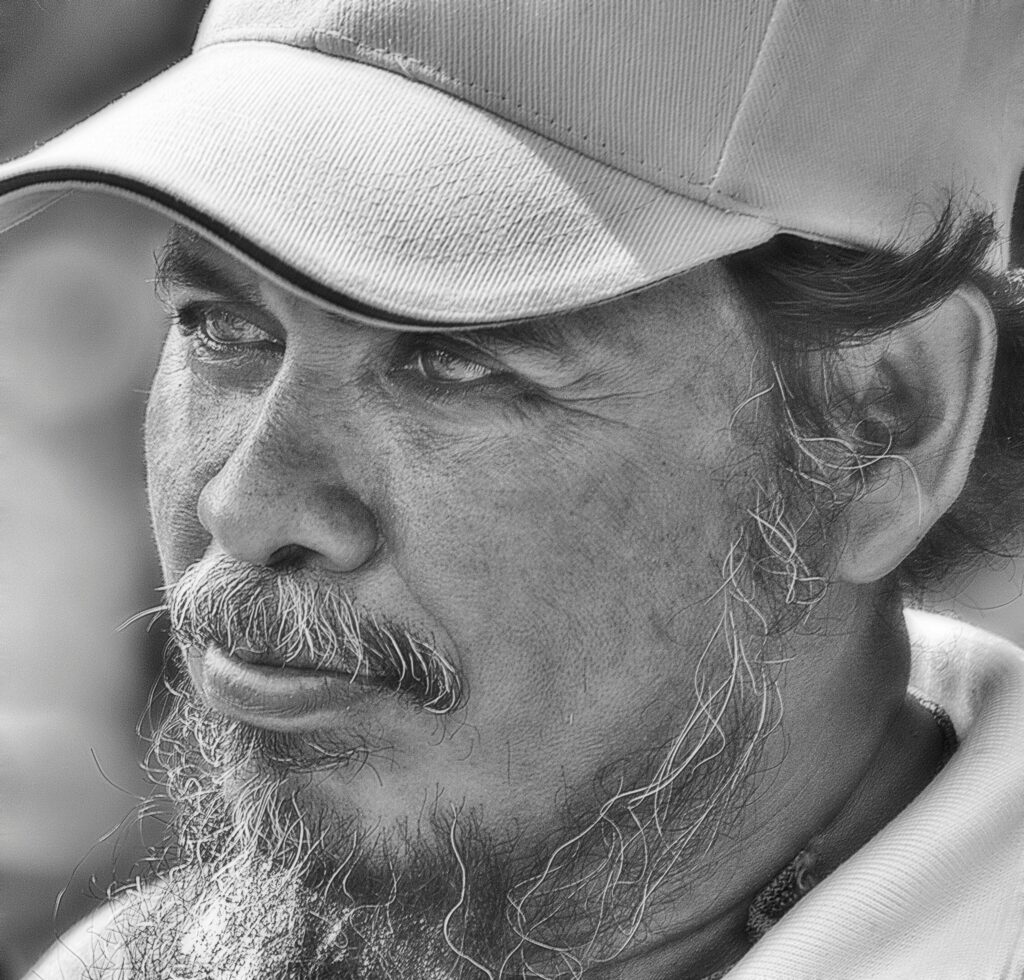
🎨 Introduction: When Art Becomes a Mirror
Throughout history, artists have turned inward to understand themselves. Among all artistic practices, self-portraiture stands apart. Not only does it capture appearance, but it also reveals emotion, thought, and inner conflict.
Therefore, self-portraiture becomes more than art—it becomes a mirror of the soul.
🧠 What Is Self-Portraiture Beyond Appearance?
At first glance, a self-portrait may seem like a visual record. However, beneath the surface, it reflects:
emotional states
identity struggles
personal narratives
subconscious thoughts
As a result, the artist is both observer and subject.
🔄 Why Introspection Requires Reflection
Introspection involves examining one’s inner world. Yet, thoughts alone are often abstract. Visual expression, on the other hand, makes internal experiences tangible.
Thus, self-portraiture bridges the gap between feeling and understanding.
🪞 The Psychological Power of Self-Portraiture
🎭 Facing the Self Honestly
Unlike selfies curated for approval, self-portraiture demands:
vulnerability
honesty
self-confrontation
Consequently, it exposes truths often hidden from conscious awareness.
🧩 Externalising Internal Conflict
When emotions are difficult to name, art provides language. Through colour, line, and expression, inner conflict becomes visible.
Therefore, self-portraiture acts as emotional translation.
🧬 Identity, Time, and Transformation
Self-portraits capture:
changing identities
life transitions
emotional growth
By revisiting earlier works, individuals can observe how they have evolved. In this way, self-portraiture documents the journey of the self over time.
🎓 Self-Portraiture as a Tool for Students and Youth
Young people often struggle with identity and self-expression. Creating self-portraits:
encourages self-awareness
builds emotional intelligence,
reduces internal confusion
Hence, it becomes a powerful educational and therapeutic practice.
🧘♀️ Beyond Art: Therapeutic and Mental Health Benefits
In therapy, self-portraiture is used to:
process trauma
reduce anxiety
improve self-acceptance
Because it bypasses verbal barriers, it helps individuals express what words cannot.
⚖️ Self-Portraiture vs Digital Self-Representation
Modern digital culture promotes constant self-image curation. However:
Selfies seek validation
Self-portraits seek understanding
Therefore, one performs for others, while the other reveals to oneself.
🌱 How to Practice Self-Portraiture for Introspection
You do not need to be a professional artist. Simply:
Choose a quiet space
reflect on current emotions
draw, paint, or sketch freely
avoid judging the result
Over time, meaning will emerge naturally.
🌟 Conclusion: Seeing the Self Clearly
In conclusion, self-portraiture is the ultimate tool for introspection because it forces us to slow down, observe, and confront our inner truth.
When we dare to look at ourselves honestly, art becomes awareness—and awareness becomes growth.
✨ Final Reflection
To paint oneself is not vanity.
It is courage—the courage to be seen by oneself.
🔍 You Can Also Read:
- The Anti-Work Movement: Is Our Career Identity Actually an Illusion?
- Who Am I? Finding Myself as a portrait or Image or Photo of Self or soul or …
- What to Do When an Important Person Talks to Someone Else While Ignoring You
- Is It Good to Be Selfish and Clever by Deceiving Others? How to Survive Among Such People
- self-portraiture and introspection