

The soul doesn’t accept lying, but truth hurts
Sometimes life places us in a difficult emotional situation. On one hand, our inner voice refuses to accept lying. Something deep inside us pushes us toward honesty. However, on the other hand, speaking the truth can bring pain, conflict, or even personal loss.
As a result, we find ourselves trapped between two uncomfortable choices: lie to protect peace or speak the truth and face emotional consequences.
So the question becomes: What should we do when our soul rejects lying but truth hurts us or others?
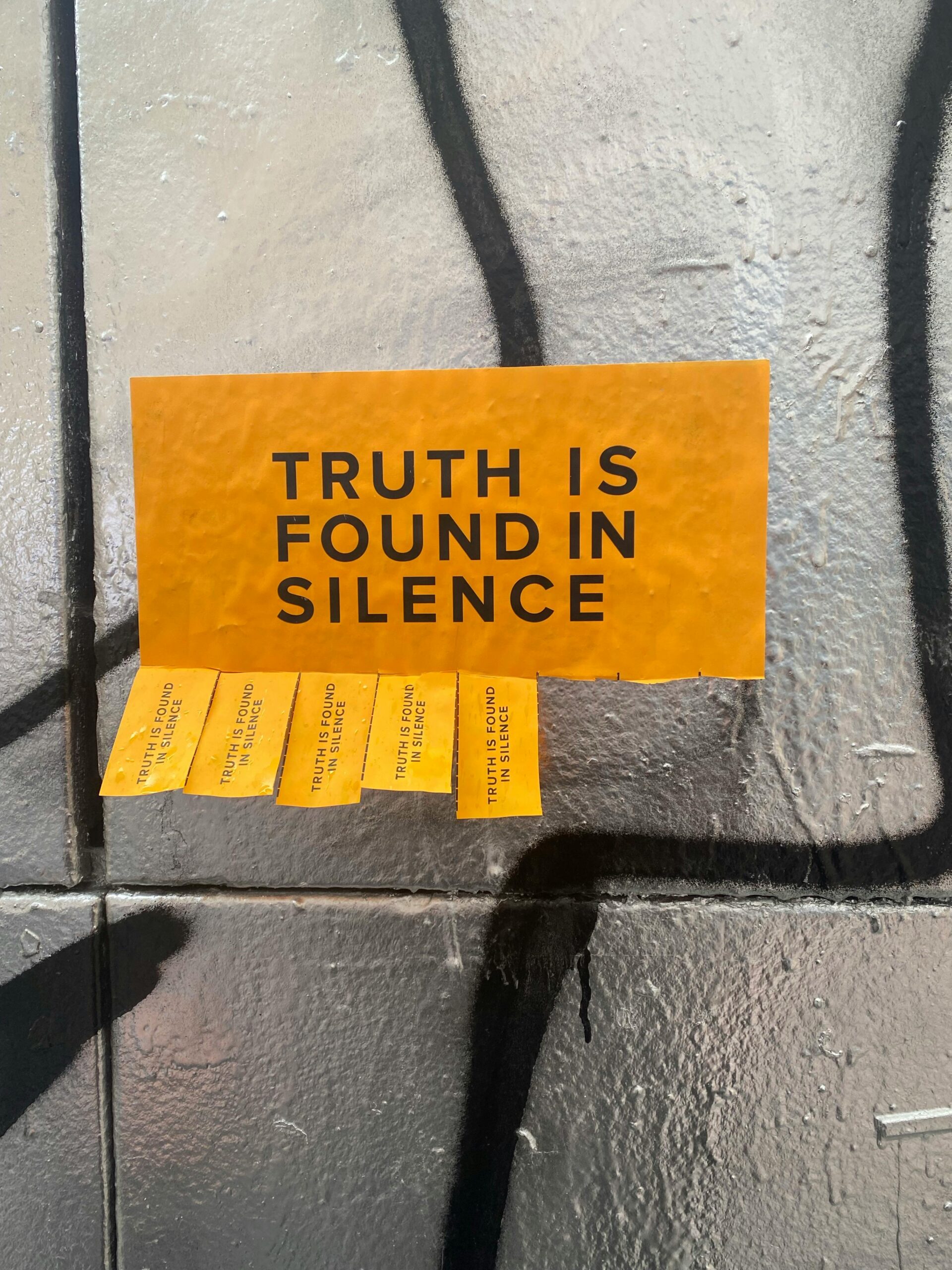
The Inner Voice of Conscience
First of all, the discomfort you feel about lying is not weakness. In fact, it is a sign of a strong conscience.
Human beings possess an inner moral compass that guides their behaviour. When we lie, this inner voice often creates guilt, anxiety, or restlessness. On the contrary, when we speak the truth, we usually feel lighter and more authentic.
Therefore, the resistance you feel toward lying is often your conscience protecting your integrity.
Why Truth Sometimes Causes Pain
However, truth is not always easy to accept or express.
Many truths challenge people’s beliefs, expose uncomfortable realities, or reveal mistakes. Consequently, when truth appears, it can trigger emotional reactions such as anger, sadness, embarrassment, or rejection.
For example:
Honest feedback may hurt someone’s ego.
Revealing a mistake may create conflict.
Expressing personal feelings may risk rejection.
Thus, the pain caused by truth often comes from emotional vulnerability rather than the truth itself.
Speak the Truth with Wisdom
Although honesty is important, the manner in which truth is spoken matters greatly.
Instead of delivering truth harshly, it can be expressed with patience and empathy. Choosing the right words, tone, and timing can significantly reduce unnecessary pain.
For instance, constructive honesty focuses on understanding rather than blame.
Therefore, truth should ideally be communicated in a way that builds awareness rather than creating hostility.
Accept That Not Everyone Will Appreciate Truth
Another important reality is that not everyone is ready to accept the truth.
Some individuals may feel threatened by it, while others may prefer comfortable illusions. Consequently, even when you speak honestly, you may still face criticism, misunderstanding, or rejection.
Although this can be painful, it does not mean honesty was wrong.
Instead, it reflects the natural complexity of human emotions and perspectives.
Protect Your Inner Peace
At the same time, honesty should not destroy your emotional well-being.
If speaking the truth repeatedly leads to conflict, sometimes silence becomes a wiser option. Silence does not always mean dishonesty. Rather, it can represent patience, emotional intelligence, and self-protection.
In certain situations, choosing not to speak immediately allows emotions to settle before meaningful communication occurs.
Thus, balancing honesty with emotional awareness helps maintain inner peace.
Strength Comes from Authentic Living
Ultimately, living truthfully creates a deeper sense of self-respect.
When your actions align with your inner values, you develop confidence and clarity. Even if others disagree or misunderstand, you remain connected to your authentic self.
Over time, this authenticity becomes a powerful source of emotional strength.
Final Thoughts
Life rarely presents simple choices between right and wrong. Instead, many situations require a balance between honesty, empathy, and wisdom.
If your soul refuses to accept lying, it is likely guiding you toward integrity. However, truth should not be delivered carelessly.
Rather, the goal is to speak truth with compassion, choose silence when necessary, and protect your inner peace.
Because in the end, a truthful life is not about hurting others with facts—it is about living honestly while still respecting the emotions of those around us.
You Can Also Read:
- Why People Support Someone Even When They Are Wrong: The Hidden Psychology
- Why We Feel Excited to Share New Things We Hear or Learn
- Why People Believe Someone Too Much and How to Overcome Disappointment When Expectations Break
- Why We Struggle to Speak Clearly: The Hidden Reason Behind Mispronunciation and Mental Blocks
- Have You Ever Doubted Your Own Well-Done Work or Beliefs? The Real Neuroscience Behind Self-Doubt
- .Mirroring the Soul: Why Self-Portraiture Is the Ultimate Tool for Introspection