
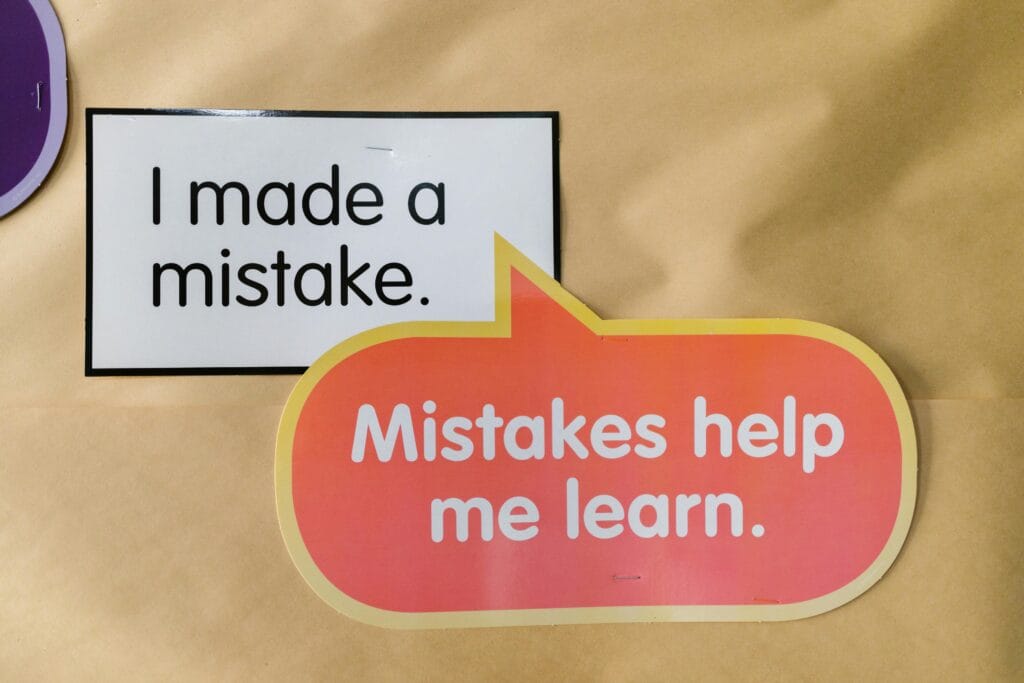
(How to get topper marks by tracking mistakes)
Recently, while reading a post by Sanjana Surbhi about a CBSE topper’s success mantra—“Track Mistakes, Fix Gaps”—one powerful idea stood out:
👉 Top results don’t come from perfect conditions—they come from perfect systems.
Many students believe that toppers succeed because they have:
- a perfect study environment
- supportive parents or hostel
- ideal routines
However, the truth is different.
👉 Not everything is in your control. But your strategy is.
So, in this blog, let’s focus on one important question:
How can any student score topper marks by controlling only what is in their hands?
First Reality: Stop Waiting for Perfect Conditions
First of all, your environment may not always be ideal:
- noise at home
- distractions around you
- lack of guidance
However, waiting for perfect conditions wastes valuable time.
Instead, shift your mindset:
👉 “I will win with what I have.”
This is the starting point of real improvement.
Focus Only on Controllable Factors
Let’s clearly separate two things:
❌ Not in your control:
- family environment
- school system
- other students’ performance
✅ In your control:
- your study time
- your revision system
- your mistake tracking
- your consistency
👉 Toppers maximize the second list.
The Most Powerful Strategy: Track Your Mistakes
Now comes the game-changing idea.
Most students:
- study → forget → repeat mistakes
But toppers:
- study → identify mistakes → fix them
This method is closely related to Deliberate Practice.
👉 Improvement does not come from repetition alone—it comes from correcting errors.
How to Maintain a “Mistake Log”
To apply this strategy, create a simple system.

Step 1: Create a Notebook or Digital File
Divide it into sections:
- subject-wise
- topic-wise
Step 2: Record Every Mistake
Whenever you:
- get a question wrong
- feel confused
- forget a concept
Write:
- the question/topic
- what mistake you made
- why it happened
Step 3: Categorize Your Mistakes
For example:
- concept error
- careless mistake
- lack of revision
- misunderstanding
This helps you identify patterns.
Step 4: Fix and Revisit
After writing:
- revise the correct concept
- solve similar questions
Then, review your mistake log every few days.
Why This Method Works
This system aligns with Metacognition.
👉 You become aware of:
- how you think
- where you fail
- how to improve
As a result, your learning becomes smarter, not harder.
Combine It with Time Blocking
In addition, structure your study time.
Instead of random study:
- use fixed time blocks (60–90 minutes)
- assign specific tasks
For example:
- Biology diagrams (1 hour)
- Physics numericals (1 hour)
Thus, your focus improves significantly.
Revision: The Missing Link
Even after correcting mistakes, revision is essential.
Therefore:
- revise within 24 hours
- revise weekly
This strengthens memory and prevents repeating the same errors.
Role Model: Direction Matters
Although environment may not support you, inspiration can.
Choose one role model:
- a topper
- a successful senior
- a mentor
👉 Not for comparison—but for direction.
Final System for Topper Marks
If you combine everything:
- Ignore uncontrollable factors
- Follow a daily time block system
- Maintain a mistake log
- Revise regularly
- Focus on weak areas
👉 This becomes your personal success system.
Final Thought
You don’t need a perfect room, perfect teachers, or perfect support.
👉 You need a perfect strategy executed consistently.
Because in the end:
Toppers are not those who never make mistakes—
they are those who never repeat them.
📢 Call to Action
- Start your mistake log today
- Review your weak areas
- Focus on progress, not perfection
✨ You Can Also Read:
- High Marks with Cheating: Success or Silent Failure? The Truth Students Must Face
- GPA 4 Is Not Luck: 5 Powerful Study Secrets Top Students Use to Score Perfect Marks
- The Science of Hyper-Focus: Master Any Skill 10x Faster Without Burning Out
- 30 Days to GPA 4: The Ultimate Study Timetable for Grade 11 Science (Biology) Students
- CBSE topper’s success mantra—“Track Mistakes, Fix Gaps” by Sanjana Surbhi