

(Deliberate practice)
Most people believe that success comes from working harder and spending more time.
However, have you ever noticed something surprising?
👉 Some people practice for hours but improve very little…
👉 while others improve rapidly in less time.
So what makes the difference?
The answer lies in one powerful concept: deliberate practice.
What Is Deliberate Practice?
Deliberate practice is not just repetition. It is focused, goal-oriented practice designed to improve weaknesses.
This concept was developed by K. Anders Ericsson, who studied how top performers become experts.
According to his research:
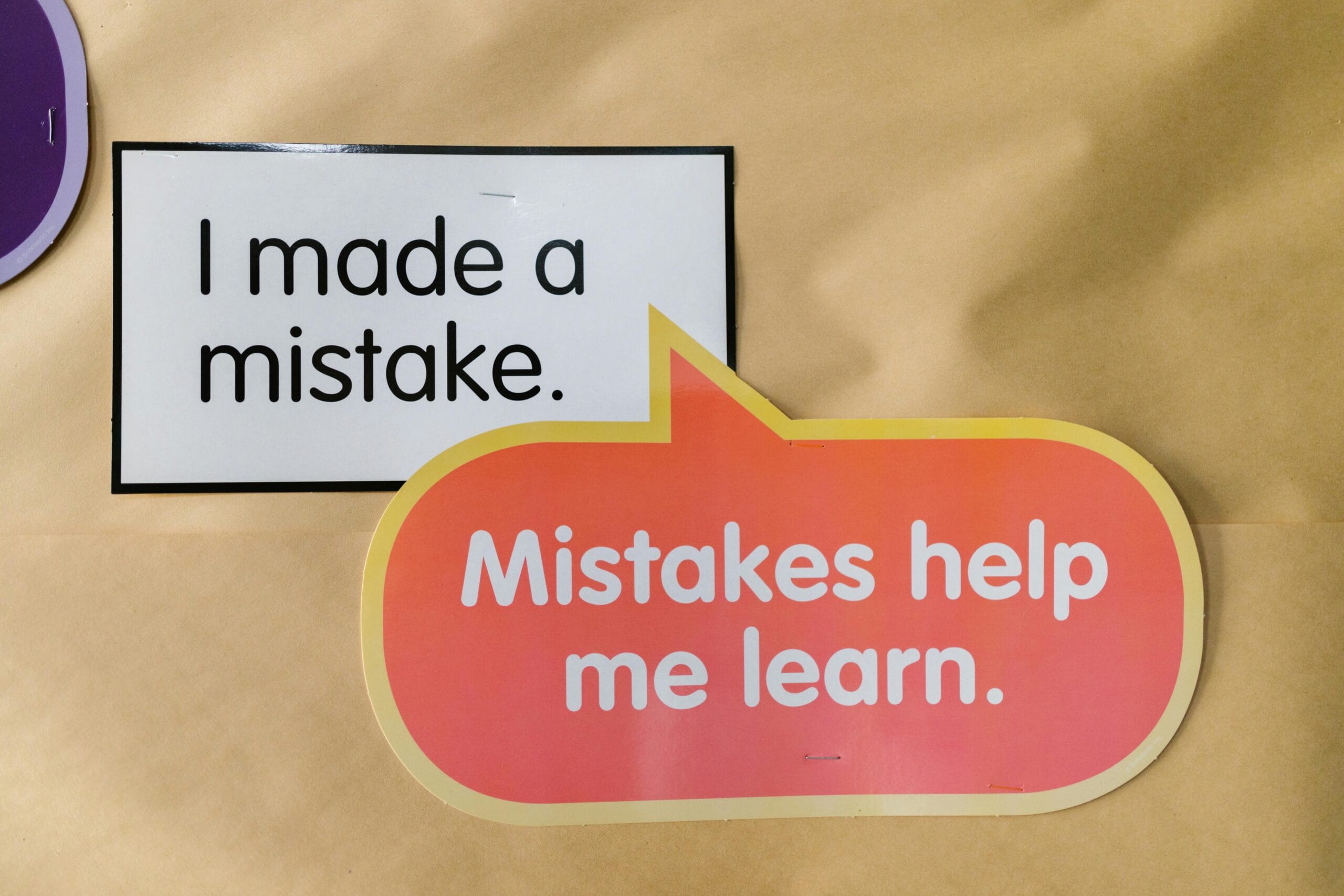
👉 Improvement comes from correcting mistakes—not repeating what you already know.
Why Normal Practice Fails
First of all, most people follow “comfortable practice.”
They:
- repeat easy tasks
- avoid difficult problems
- don’t analyze mistakes
As a result, they stay at the same level.
This creates an illusion of progress—but no real improvement.
The Science Behind Deliberate Practice
Deliberate practice works because of Neuroplasticity.
When you:
- focus intensely
- challenge your limits
- correct errors
👉 your brain builds stronger neural connections.
Thus, skills become faster and more accurate over time.
Key Elements of Deliberate Practice
To apply this method effectively, you must include these elements:
1. Clear, Specific Goals
Instead of saying:
❌ “I will study physics”
Say:
✅ “I will master numerical problems on motion”
2. Focus on Weaknesses
Always work on:
- difficult topics
- mistakes
- areas you avoid
👉 Growth happens outside your comfort zone.
3. Immediate Feedback
Feedback is essential.
You can get it from:
- teachers
- mock tests
- self-analysis
4. Repeat with Improvement
Practice again—but with correction.
👉 Not repetition, but refined repetition.
Real-Life Examples
Students
- solving previous exam mistakes
- revising weak chapters
Freelancers
- improving client feedback
- refining skills (writing, coding, design)
Athletes
- focusing on weak movements
- correcting technique
How to Apply Deliberate Practice Daily
Here is a simple routine:
- Choose one weak topic
- Practice for 60–90 minutes
- Identify mistakes
- Correct them immediately
- Re-test yourself
Repeat this daily.
Common Mistakes to Avoid
However, many people fail because they:
- practice without focus
- avoid feedback
- give up when it becomes difficult
👉 Remember: difficulty is a sign of growth.
Why This Method Is 10x More Effective
When you use deliberate practice:
- learning becomes faster
- mistakes decrease
- confidence increases
As a result, you move ahead of average learners.
Final Thought
Hard work is important—but smart work is powerful.
👉 Deliberate practice transforms effort into results.
So instead of asking:
“How long should I study?”
Ask:
“Am I improving my weaknesses?”
Because in the end:
Experts are not those who practice more—
they are those who practice better.
📢 Call to Action
- Start one deliberate practice session today
- Track your mistakes
- Focus on improvement, not comfort
✨ You Can Also Read:
- “Can You Track Your Own Brain? The Smart Method to Understand Your Thinking, Focus & Habits”
- 30 Days to GPA 4: The Ultimate Study Timetable for Grade 11 Science (Biology) Students
- “Stuck in the Wrong Circle? Here’s How to Change Your Environment and Uplift Your Life”
- From Sunlight to Success: The Powerful Study Discipline Ancient Students Used
- Read The Beginner’s Guide to Deliberate Practice