
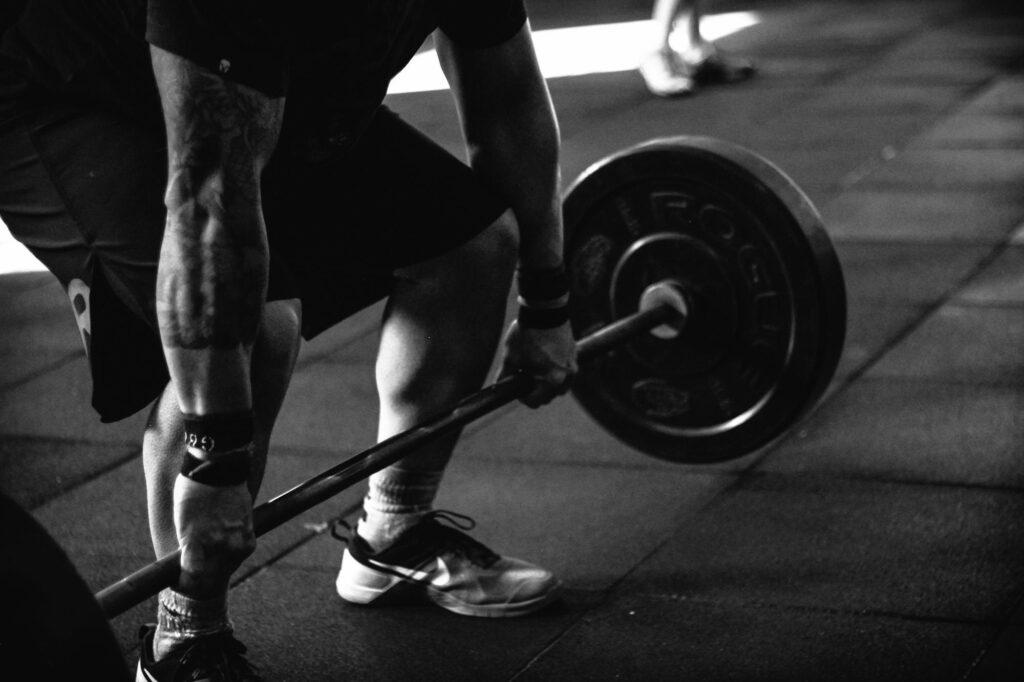
🦴 Is It Disturbing the Bones and Health of Athletes in Their Old Age?
Athletes are often seen as the symbols of health, energy, and strength. But an interesting question arises — does intense physical activity during youth affect their bones and health later in life? While regular exercise is known to strengthen the body, excessive training, injuries, and poor recovery practices may leave long-term impacts on bones and joints as athletes age. Let’s explore how this happens and what can be done to stay healthy even after retiring from sports.
⚙️ 1️⃣ The Double-Edged Sword of Intense Training
During their prime, athletes train hard to reach peak performance. Their bones and muscles become stronger due to repeated stress and adaptation. However, this constant strain can also wear down cartilage, joints, and tendons over time.
Overtraining without proper rest or nutrition often leads to microfractures, arthritis, or chronic joint pain later in life. In short, what strengthens them in youth can sometimes challenge them in old age if not balanced wisely.
🟢 Tip: Incorporating rest, flexibility training, and balanced nutrition is just as crucial as strength training itself.
🥦 2️⃣ Nutritional Deficiency and Bone Health Decline
Athletes often focus on protein and performance-enhancing diets during their active years. However, insufficient intake of calcium, vitamin D, and magnesium can silently weaken their bones. As they age, the natural bone density loss accelerates, increasing the risk of osteoporosis and fractures.
Therefore, maintaining bone-friendly nutrients and hydration even after retirement becomes vital. A balanced diet supports the skeletal system just as much as muscles or stamina.
🔄 Transition tip: Shifting from performance-based diets to health-sustaining diets after retirement keeps bones resilient for life.
🦵 3️⃣ Impact of Sports Injuries on Long-Term Mobility
Almost every athlete has faced some form of injury — be it fractures, ligament tears, or dislocations. While these injuries may heal, the affected areas often remain more fragile. In later years, such individuals may experience joint stiffness, arthritis, or limited mobility, especially in high-impact sports like football, gymnastics, or weightlifting.
That’s why proper rehabilitation and post-injury care are essential. Ignoring minor issues during youth can lead to chronic pain decades later.
💨 4️⃣ Hormonal and Metabolic Shifts After Retirement
When athletes stop training rigorously, their metabolism slows, and their hormone levels shift, affecting bone renewal and muscle strength. Reduced physical activity, if not managed properly, can lead to bone thinning and weight gain, further straining the joints.
🧘 Wellness reminder: Even after active sports careers end, continuing light exercise, yoga, or swimming helps keep the bones active and flexible.
🧬 5️⃣ Psychological Factors and Overall Wellbeing
Mental health also plays a big role in physical health. After retirement, some athletes face stress, anxiety, or loss of identity, which indirectly impacts bone and immune health. Stress hormones like cortisol can interfere with calcium absorption and bone repair.
Hence, emotional stability, purpose, and self-care routines are equally important in maintaining lifelong vitality.
🌿 6️⃣ Prevention and Care Tips for Athletes
To stay strong and mobile in later years, athletes should focus on:
✅ Maintaining a balanced diet rich in calcium, vitamin D, and protein.
✅ Including low-impact exercises such as swimming, cycling, and yoga.
✅ Scheduling regular bone-density tests after the age of 40.
✅ Managing post-injury recovery with physiotherapy.
✅ Prioritising sleep, hydration, and mental relaxation daily.
🌞 The Bottom Line
Athletic life builds discipline, endurance, and confidence — but it must be balanced with recovery and self-care. The bones and health of athletes can remain strong well into old age if they respect their body’s limits and nurture it beyond competition. Remember, real strength lies not only in performance but also in preservation.
🔗 Suggested Reference Links:
- 🩸 Why Are Sugar (Diabetes) Patients Increasing Nowadays, While It Was Rare in the Past?
- 🧘♀️ Decoding Emotional Triggers: A 3-Step Process for Calmer Reactions
- 💭 Are You People-Pleasing? The Psychology Behind Needing Everyone to Like You
- 🌑 Can a Person Be Wealthy and Harm Others Using Negative Energy?
- Managing the health of the elite athlete
Your point of view caught my eye and was very interesting. Thanks. I have a question for you.
I don’t think the title of your article matches the content lol. Just kidding, mainly because I had some doubts after reading the article.
Your article helped me a lot, is there any more related content? Thanks!
Thanks for sharing. I read many of your blog posts, cool, your blog is very good. https://www.binance.com/pl/register?ref=UM6SMJM3