
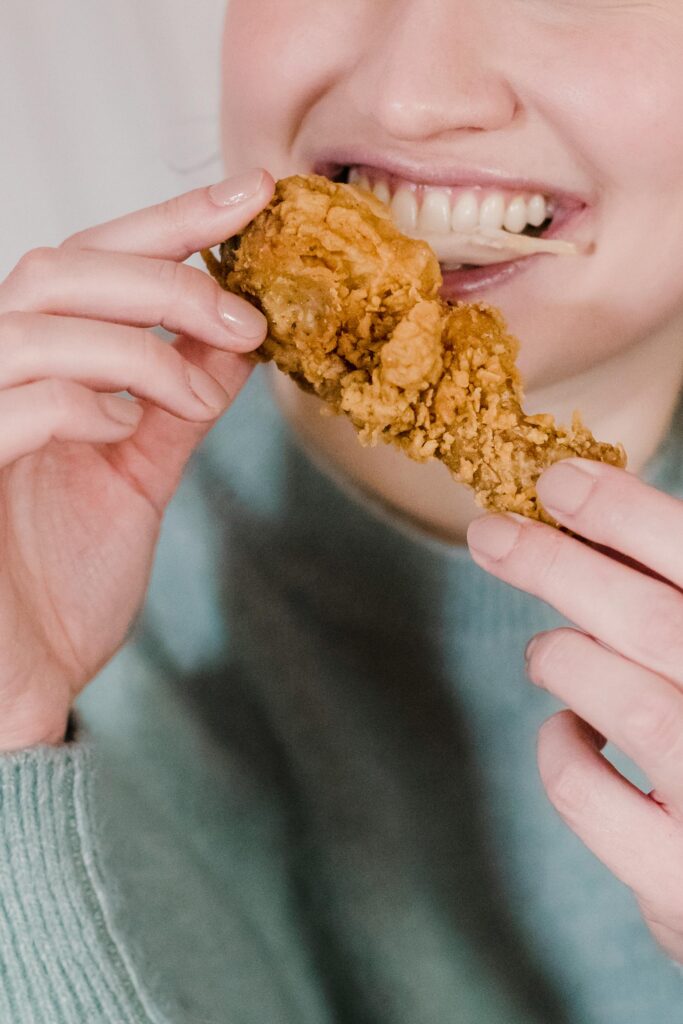
🍖 Is It Wrong to Eat Meat for Humans? Understanding the Ethics, Health, and Balance
(Is it wrong to eat meat?)
For centuries, humans have debated one question more than almost any other in diet and morality: Is it wrong to eat meat? While some argue that meat-eating is part of natural evolution, others see it as an ethical and environmental problem. In today’s world — where awareness about health, compassion, and sustainability is growing — this question feels more relevant than ever.
Let’s explore this topic from multiple perspectives: biology, ethics, environment, and health, and find where balance truly lies.
🌿 1️⃣ The Biological Perspective: Are Humans Made to Eat Meat?
From an evolutionary standpoint, humans are omnivores — designed to eat both plant and animal products. Our teeth, digestive enzymes, and metabolic flexibility allow us to digest meat efficiently. Early humans survived and evolved by hunting and eating animals, which provided them with essential proteins, fats, and vitamins (especially B12 and iron).
However, modern humans no longer need to rely on meat for survival. With today’s nutrition science, many of these nutrients can be obtained from plant-based alternatives, supplements, and fortified foods.
🔄 Transition tip: So, while our bodies can digest meat, the question becomes — should we still rely on it as heavily as before?
🧠 2️⃣ The Ethical View: Compassion vs. Culture
Ethically, the argument often centres around animal rights and compassion. Many believe that it’s morally wrong to harm animals for food, especially when plant-based options are available. This idea has led to the rise of vegetarianism and veganism, movements promoting non-violence (ahimsa) — a value deeply rooted in Hinduism, Buddhism, and Jainism.
On the other hand, cultural traditions in many parts of the world consider meat an essential part of heritage, ritual, and livelihood. For example, in Nepal, Tibet, and other high-altitude regions, meat has long been part of survival due to limited vegetation.
🌍 Balanced thought: The ethics of eating meat depend not only on morality but also on context, culture, and necessity.
💪 3️⃣ The Health Factor: Does Meat Help or Harm?
Nutritionally, meat is a rich source of complete protein, iron, zinc, and vitamin B12. Moderate consumption supports muscle growth, energy production, and brain function.
However, excessive or processed meat intake — such as sausages, bacon, and red meat — is linked to heart disease, high cholesterol, and certain cancers, according to research by the World Health Organisation (WHO).
The healthiest approach is balance:
Include lean meats like chicken or fish instead of processed meats.
Pair meat with fiber-rich vegetables and whole grains.
Practice portion control and avoid deep-fried or charred cooking methods.
🟢 Smart takeaway: It’s not the meat itself that harms health — it’s how much and how often we consume it.
🌱 4️⃣ Environmental Concerns: The Planet’s Health Matters Too
Beyond personal health, meat production heavily impacts the planet. Industrial livestock farming contributes to deforestation, methane emissions, and water pollution. Studies estimate that global meat production accounts for about 15% of total greenhouse gas emissions.
Choosing sustainable eating habits — such as reducing meat intake, avoiding food waste, and supporting local farms — can significantly lessen environmental harm.
🌾 Transition idea: Eating consciously isn’t just about personal health; it’s also about caring for our shared home — Earth.
🧘 5️⃣ Spiritual and Moral Balance
Many Eastern philosophies teach that what we eat affects our mental and spiritual energy. A vegetarian diet is believed to promote calmness, compassion, and clarity, while meat — being connected with killing — may carry heavier vibrational energy.
However, spirituality also emphasises intention. If food is eaten with gratitude, moderation, and respect for life, it can still nourish the soul. The key lies in awareness, not judgment.
🌞 The Bottom Line
So, is it wrong for humans to eat meat?
Not absolutely. It depends on how you define “wrong.”
From a biological view, humans can eat meat. From an ethical view, it depends on your values and compassion. But from a health view, balance is crucial. And from a spiritual view, mindfulness matters more than strict rules.
In the end, eating responsibly — whether vegetarian or omnivorous — is about respecting your body, the animals, and the planet. The right choice is the one made with awareness, gratitude, and harmony.
This blog post upgrades my previously published blog on 10/26/2020
🔍 Suggested References:
- 🩸 Why Are Sugar (Diabetes) Patients Increasing Nowadays, While It Was Rare in the Past?
- 💭 Are You People-Pleasing? The Psychology Behind Needing Everyone to Like You
- 🌑 Can a Person Be Wealthy and Harm Others Using Negative Energy?
- Cancer: Carcinogenicity of the consumption of red meat and processed meat
- “Is meat eating morally defensible? Contemporary ethical perspectives” — PMC article
Pingback: Is Plucking a Leaf The Same As Sacrificing an Animal?
Pingback: Sacrifice an Animal to God: Is It Right or Wrong?
Thank you for your sharing. I am worried that I lack creative ideas. It is your article that makes me full of hope. Thank you. But, I have a question, can you help me?
Thank you for your sharing. I am worried that I lack creative ideas. It is your article that makes me full of hope. Thank you. But, I have a question, can you help me? https://www.binance.com/fr/register?ref=T7KCZASX
Your point of view caught my eye and was very interesting. Thanks. I have a question for you. https://accounts.binance.com/register-person?ref=IHJUI7TF
Pingback: Does Appendix Support Idea That Humans Should Be Vegetarian?
Your article helped me a lot, is there any more related content? Thanks! https://accounts.binance.info/register-person?ref=IHJUI7TF
Can you be more specific about the content of your article? After reading it, I still have some doubts. Hope you can help me. https://www.binance.com/register?ref=IXBIAFVY