
(Digital second brain system)
Imagine if your ideas, notes, and knowledge could organize themselves…
Imagine if your learning continued even when you were resting…
Sounds impossible? Not anymore.
In today’s AI-powered world, you can build a digital “second brain”—a system that captures, connects, and recalls information for you automatically.
👉 In simple terms, it is not about working harder. Instead, it is about building a system that works for you.
What Is a Digital Second Brain?
A digital second brain is a structured system where you:
- store ideas
- organize knowledge
- retrieve information instantly
This concept is popularized by Tiago Forte, who introduced the idea of externalizing your brain into a trusted system.
Why You Need a Second Brain Today
First of all, information overload is real.
Every day, you consume:
- lectures
- videos
- articles
- ideas
However, without a system, most of it is forgotten.
According to Cognitive Load Theory, your brain cannot handle too much information at once.
Therefore, a second brain helps you:
👉 reduce mental overload and increase clarity.
The Core Principle: Capture → Organize → Retrieve
To build your second brain, follow this simple flow:
- Capture everything important
- Organize it properly
- Retrieve it when needed
Let’s break it down step by step.
Step 1: Capture Ideas Instantly
Whenever you learn something valuable:
- write it down
- save it digitally
- record quick notes
For this, you can use tools like:
- Notion
- Evernote
- Google Keep
👉 The goal is simple: Don’t trust memory—capture everything.
Step 2: Organize Using Simple Structure
Next, organize your notes into categories.
A popular method is PARA:
- Projects
- Areas
- Resources
- Archives
This system helps you find anything quickly without confusion.
Step 3: Connect Ideas for Deeper Understanding
Now comes the powerful part.
Instead of storing notes separately:
👉 connect them
For example:
- link biology concepts
- connect physics formulas
- relate ideas across subjects
This improves understanding and creativity.
Step 4: Use AI to Enhance Your System
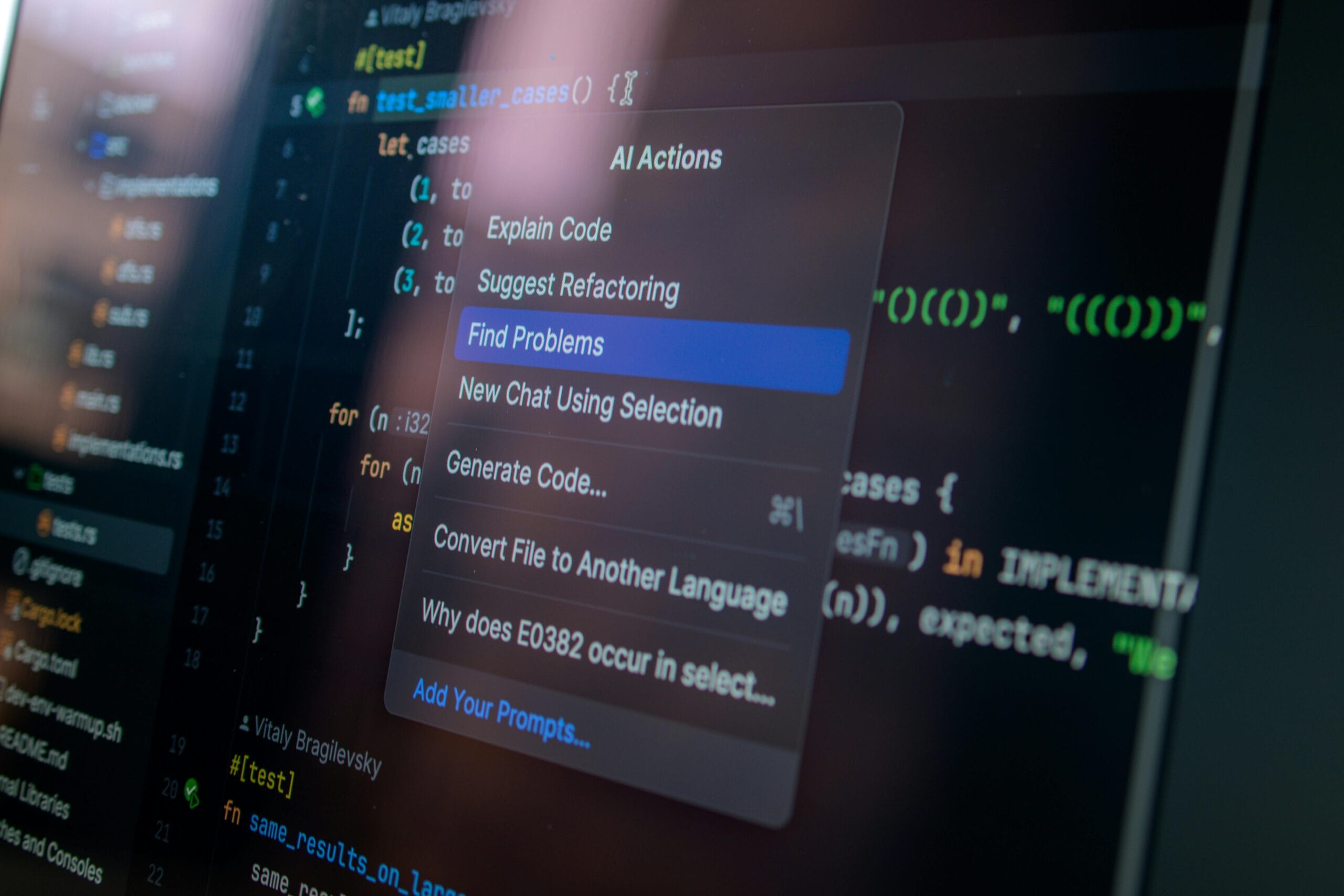
Here’s where your second brain becomes powerful.
Use AI tools to:
- summarize notes
- generate explanations
- create quizzes
This transforms your system from storage → into active thinking support.
Step 5: Review and Reinforce
A second brain is only useful if you revisit it.
Therefore:
- review weekly
- update notes
- refine understanding
This aligns with Spaced Repetition, which improves long-term retention.
How It “Works While You Sleep”
Now the interesting part.
When your knowledge is:
- organized
- connected
- reviewed
your brain continues processing it subconsciously.
Meanwhile, your digital system:
- stores everything safely
- makes retrieval instant
- reduces stress
👉 So even while you rest, your system is preparing you for better performance.
Common Mistakes to Avoid
However, many people fail because they:
- overcomplicate the system
- use too many tools
- never review notes
Therefore, keep it:
👉 simple, consistent, and useful
Who Should Use a Second Brain?
This system is perfect for:
- students preparing for exams
- freelancers managing multiple tasks
- teachers organizing content
- lifelong learners
 Start Your Blog Today

 Don’t wait too long. Ultimately, the earlier you start, the faster you grow.
Final Thought
Your brain is powerful—but limited in storage.
However, when combined with a digital system, it becomes unstoppable.
👉 So don’t try to remember everything.
👉 Build a system that remembers for you.
Because in the end:
Smart people don’t just learn more—they build systems that make learning effortless.
📢 Call to Action
- Start your second brain today
- Choose one tool and begin capturing notes
- Stay consistent for 7 days