
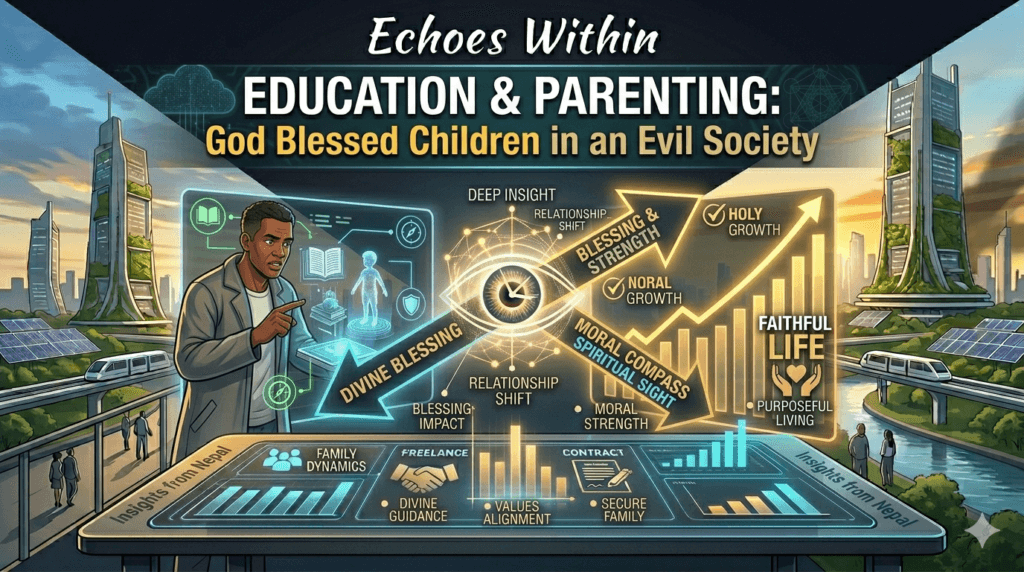
Education and Parenting:
We often repeat the beautiful phrase that children are the future of our world. They are the ultimate builders of tomorrow. However, have we ever stopped to honestly examine the society we are handing over to them?
When we look at a child, we see pure, unadulterated innocence. They enter this world like wet, malleable clay. They are completely open and free from bias. Furthermore, they have no inherent knowledge of right or wrong. They learn everything from the environment we curate for them. They watch how we eat, how we speak, and how we react emotionally.
Consequently, if children are born inherently divine and innocent, we must ask ourselves an uncomfortable question: Who is truly responsible when a child becomes undisciplined, destructive, or lost?
Are parents damaging their children’s identity? Discover the hidden cost of living through your kids and learn how to break the cycle of unconscious control by exploring our full guide.
The bitter truth is that our politics, rigid systems, schools, and even our homes frequently act as “evil boundaries.” These boundaries stifle a child’s natural potential. If we want our children to grow into disciplined, fully realized citizens, we must urgently address a massive systemic crisis. This crisis exists across two critical dimensions: our institutional educational policies and our unconscious parenting habits.
Furthermore, modern parents often trap their children in the destructive cycle of social comparison. When you constantly compare your child to their peers, you inadvertently teach them that their worth depends entirely on beating someone else. This persistent pressure breeds deep anxiety, crushes self-esteem, and forces them to wear a mask to satisfy parental pride. Instead of nurturing their unique path, toxic comparison slowly kills a child’s individuality and fills their world with bitter insecurity.

1. The Institutional Trap: The Disconnect Between Literacy and Education
The development and prosperity of any modern society depend heavily on the educational frameworks we implement. Nevertheless, for decades, transforming educational policy has been treated merely as a recurring political agenda. It is rarely treated as a genuine vehicle for human development.
The core flaw of the modern academic infrastructure is its focus. It focuses almost exclusively on literacy, rather than true education. To understand why our system is failing, we must first recognize the profound difference between these two concepts:
Literacy is simply the basic, mechanical ability to read and write. It allows a person to pass an exam or fill out a form, but nothing more.
Education is a deep, transformative process. It encompasses the acquisition of wisdom, critical thinking, emotional intelligence, and moral values. These values empower an individual to develop lifelong skills.
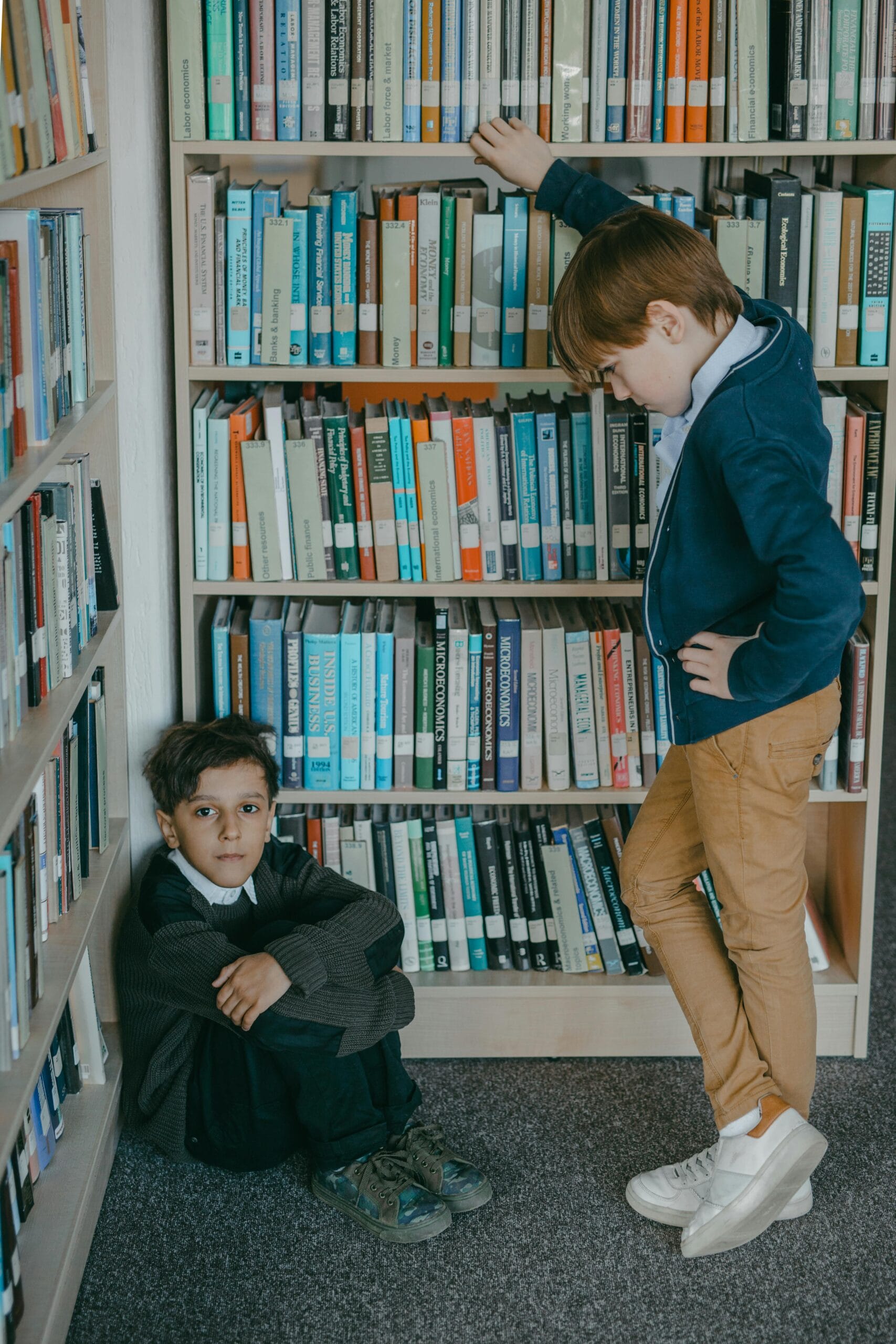
Unfortunately, national policy-makers appear obsessively concerned with inputs. They track enrollment percentages, school infrastructure, and passing rates. In contrast, they completely ignore the potential output. They fail to consider how society will guide and utilize these young minds once they graduate.
As a direct result of this shortsightedness, teachers are systematically forced to turn students into highly literate individuals. These students hold degrees, yet they lack the holistic education required to build a progressive society.
2. The Unconscious Tyranny of the Modern Home

When a young person goes astray or acts out, society is quick to blame external environments. However, the ultimate key to a child’s emotional baseline rests firmly in the hands of their parents.
Shockingly, this crisis is not confined to illiterate households. If you look closely at the domestic environments of highly literate, successful professionals, the reality is deeply saddening. Many literate parents unknowingly inject intense academic pressure and emotional toxicity into their homes. This environment makes it difficult for their children to breathe. These parents mistakenly assume that their professional literacy equates to parenting wisdom.
The acclaimed Bollywood film Taare Zameen Par brilliantly illustrates this dynamic. The story follows Ishaan Awasthi, a young boy mentally broken down by his well-meaning, educated parents. Blinded by societal expectations, they fail to see his unique needs and emotional cries for help.
The Power Play Behind the Word “No”
To understand how deep this issue runs, consider a simple, everyday interaction. A child looks out the window and asks, “Can I go outside to play?” Without a single second of reflection, the mother snaps, “No!”
Why do we resort to this word so instinctively? More often than not, it is an unconscious exercise in authority. Saying “no” satisfies the adult’s desire for control.
This quick rejection fulfills the parent’s ego. However, it leaves the child feeling neglected. It crushes their natural curiosity and wounds their emotional spirit. Over time, these repetitive rejections turn into deep resentment and indiscipline.
Conclusion: A Call to Action for Our Future
A nation populated by broken, emotionally stifled, and undisciplined citizens can never make authentic, lasting progress. Our children are the ultimate architects of our future. Therefore, parents and educators have a vital duty. We must protect their natural innocence and guide them with empathetic discipline.
Instead, we must teach them to think critically and manage their emotions. We must guide them to become compassionate human beings. Let us stop forcing them to conform to an evil society. Instead, let us empower them to transform it.
Reader’s Reflection Corner
What are the biggest flaws you see in our current schooling systems? How can we, as parents and community members, create a more supportive home environment for our youth? Leave your thoughts in the comments section below—let’s build a solution together.
Highly recommended for you:
- Are Parents Damaging Their Children’s Identity? The Hidden Cost of Living Through Your Kids
- Why Parents Pull Back When One Child Succeeds More Than Others (The Hidden Family Psychology)
- Why It’s So Hard to Change Your Parents’ Thinking (But Easy for Them to Change Yours)
- The Son Who Was Trusted the Most—but Understood the Least
Education and Parenting: Conclusions and Implications by springer.com