
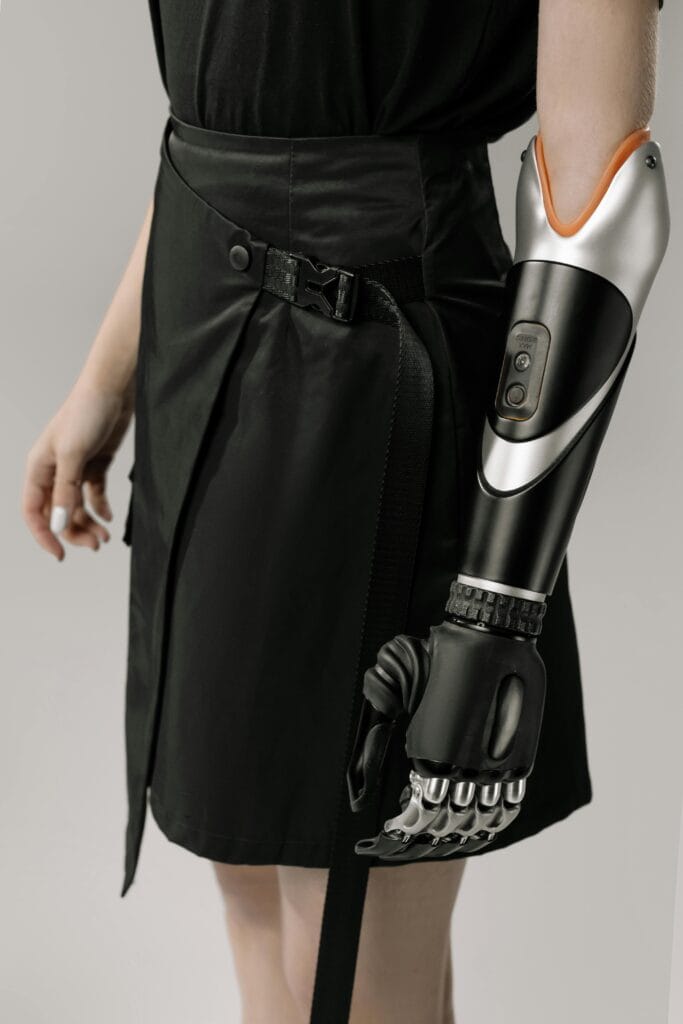
Future of Medical Body Modification:
For many people, body modification is associated with fashion, tattoos, or cosmetic trends. However, a far more important transformation is quietly emerging:
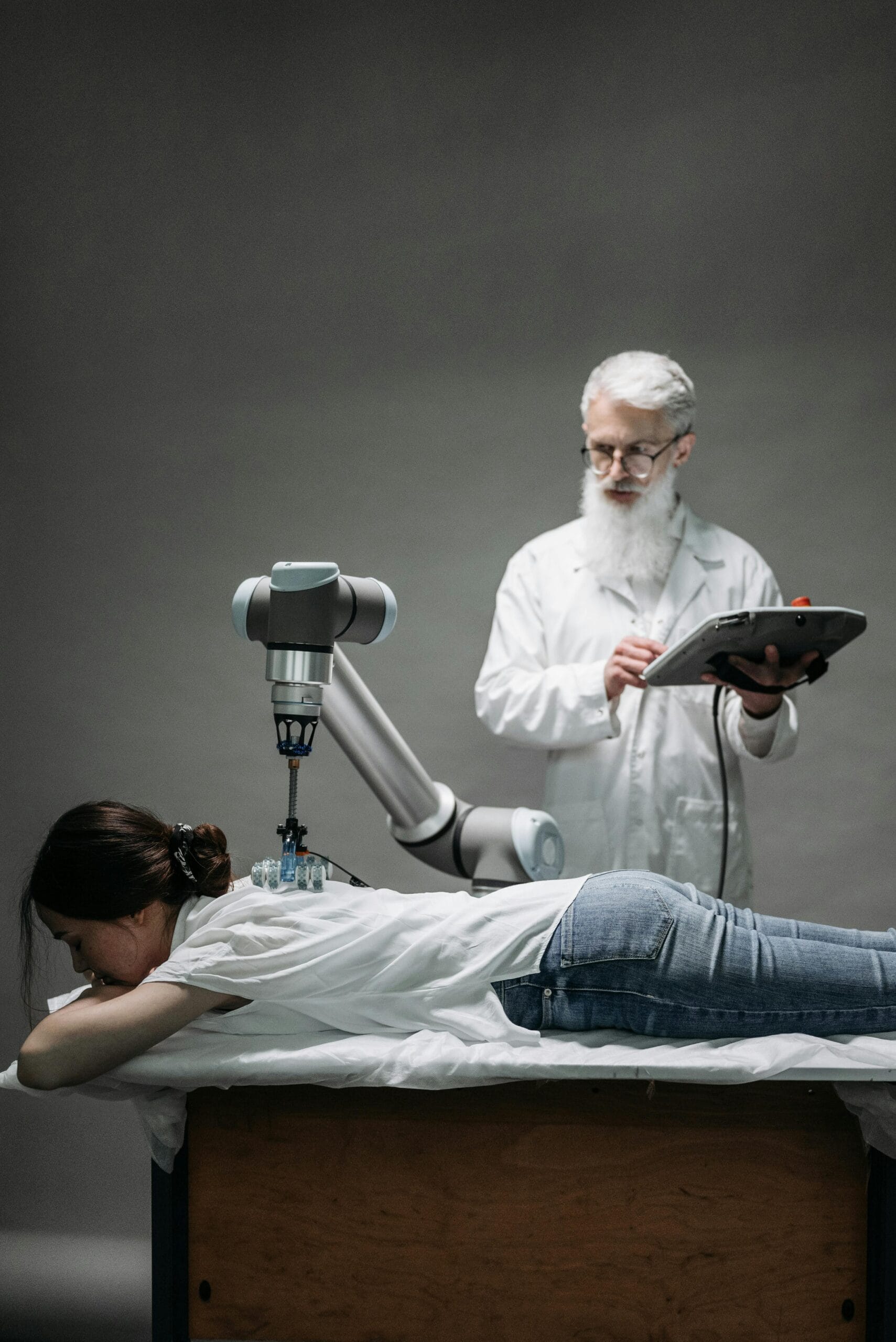
Today, technology is beginning to merge directly with the human body—not for style, but for:
- Survival
- Treatment
- Prevention
- Better quality of life
From smart implants to AI-powered monitoring systems, the future of healthcare may soon become deeply integrated with the human body itself.
🔍 What Is Medical Body Modification?
Medical body modification refers to technologies or physical modifications designed to:
- Improve health
- Monitor medical conditions
- Restore physical function
- Enhance emergency response
Unlike cosmetic body mods, these innovations focus on practical medical benefits.
Examples already exist today:
- Pacemakers
- Insulin pumps
- Smart prosthetics
- Continuous glucose monitors

👉 However, future developments could become even more advanced.
⌚ The Rise of Smart Medical Wearables
Modern healthcare is already evolving through Wearable technology.
Wearable medical devices now track:
- Heart rate
- Blood oxygen
- Sleep quality
- Stress levels
- Blood glucose levels
👉 Consequently, patients can monitor health conditions in real time instead of relying only on hospital visits.
🚀 Future Medical Body Mods That Could Change Healthcare

1️⃣ AI-Powered Health Implants
Future implants may continuously analyze body data using artificial intelligence.
These systems could:
- Detect diseases early
- Predict medical emergencies
- Recommend treatment instantly
👉 Healthcare may shift from reactive treatment to proactive prevention.
2️⃣ Smart Organ Support Systems
Advanced implants may help support:
- Heart function
- Kidney activity
- Nervous system regulation
👉 Eventually, damaged organs may work alongside intelligent bio-tech systems.
3️⃣ Brain-Computer Medical Interfaces
Future brain-linked systems could help:
- Paralysis patients communicate
- Restore movement
- Improve neurological treatment
👉 This could completely transform rehabilitation medicine.
4️⃣ Advanced Prosthetics & Artificial Limbs
Next-generation prosthetics may:
- Respond naturally to thought
- Provide sensory feedback
- Improve mobility dramatically
In some cases, future prosthetics may even exceed natural physical capability.
5️⃣ Internal Monitoring Chips
Tiny implanted devices may continuously track:
- Blood pressure
- Hormones
- Oxygen levels
- Disease markers
👉 Doctors could receive real-time alerts before symptoms become dangerous.
❤️ Medical Body Mods for Serious Health Conditions
The future will especially impact patients with:
- Diabetes
- Severe allergies
- Heart conditions
Medical body modifications may:
✅ Reduce emergency risks
✅ Improve independence
✅ Increase lifespan
🌐 Why This Technology Is Growing So Fast
Several global trends are accelerating medical body modification.
📱 Digital Health Expansion
In today’s Global village, healthcare technology spreads rapidly worldwide.
🧠 Increasing Health Awareness
People now prioritize:
- Preventive healthcare
- Personalized medicine
- Real-time monitoring
⚡ Aging Populations & Healthcare Demand
As populations age, healthcare systems require smarter long-term solutions.
👉 Technology is helping fill that gap.
⚠️ Ethical & Privacy Concerns
Despite the benefits, important concerns remain.
🔒 Medical Data Privacy
Implants and wearables collect highly sensitive information.
Questions include:
- Who controls the data?
- Can health information be misused?
⚖️ Accessibility & Inequality
Advanced medical technologies may initially remain expensive.
👉 This could increase healthcare inequality.
🧩 Psychological Dependence on Technology
Over-reliance on medical technology may create:
- Anxiety without devices
- Emotional dependence
Therefore, balancing technology with emotional well-being is important through Emotional intelligence.
🔄 The Psychology of Human Enhancement
Future medical enhancement may also influence identity and social pressure.
This connects with Social comparison theory.
As technology improves human abilities:
- People may compare health and performance more intensely
- Pressure to adopt enhancements may increase
👉 Consequently, society must balance progress with ethics.
🌉 Will Medical Body Modification Replace Traditional Healthcare?
Probably not completely.
However, it may significantly change:
- Diagnosis
- Monitoring
- Emergency response
- Recovery processes
👉 Doctors may increasingly work alongside intelligent medical systems.
🧠 The Most Important Question of the Future
The future is not just about:
👉 “Can technology modify the human body?”
The bigger question is:
👉 “Can humanity use this power wisely?”
Because medical technology should:
- Protect life
- Improve dignity
- Support human well-being
—not create fear or inequality.
🧾 Final Conclusion
So, what is the future of medical body modification?
👉 A future where healthcare becomes smarter, faster, and more connected to the human body itself.
From AI-powered implants to advanced wearable monitoring systems, medical body modification may revolutionize modern medicine.
However, true progress will depend not only on innovation—but also on ethics, accessibility, and human responsibility.
Because in the end,
the best medical technology is not the one that simply extends life—but the one that improves the quality of living itself.
🧾 You Can Also Read:
- 7 Body Mods That Are Actually Useful (And 3 That Are Purely Viral Trends)
- How Body Mods Can Save Lives: Smart Medical Identification for Diabetes, Allergies & Heart Conditions
- The Art of Letting Go: How Releasing Control Brings Peace, Happiness, and Real Success
- The Future Classroom: What Education Will Look Like in the AI Era
FUTURE OF MODIFICATIONS ON THE HUMAN BODY ACCORDING TO SCIENCE FICTION