

The Art of Letting Go:
At some point in life, everyone holds on—to people, expectations, past mistakes, or control.
At first, it feels necessary. However, over time, holding on too tightly creates stress, frustration, and emotional exhaustion.
👉 That’s where the true power lies in mastering the art of letting go.
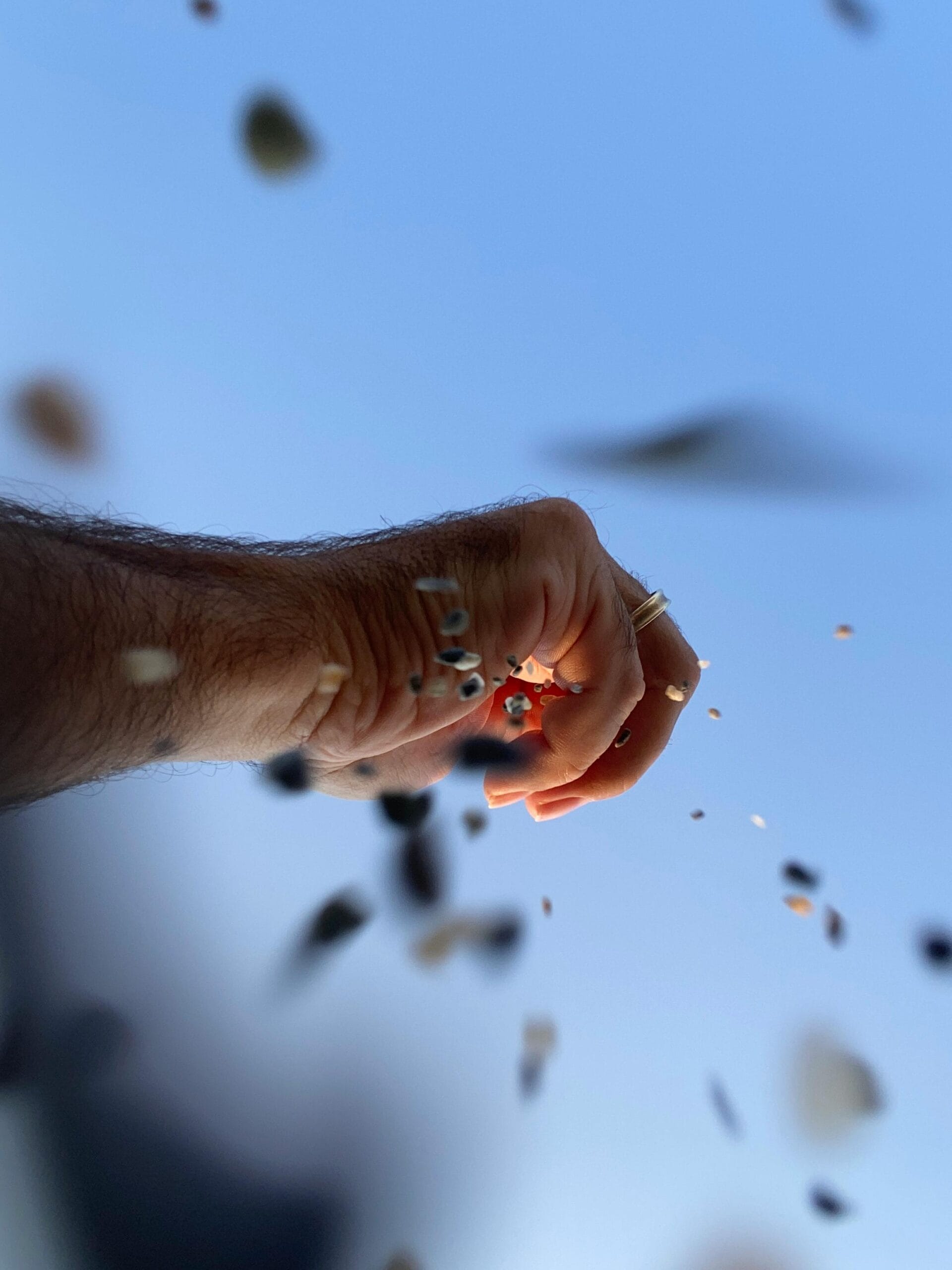
🔍 What Does “Letting Go” Really Mean?
Letting go does not mean:
- Giving up
- Ignoring responsibilities
- Becoming careless
Instead, it means:
👉 Releasing what you cannot control
👉 Accepting what you cannot change
👉 Moving forward without emotional burden
⚖️ Why Holding On Creates Imbalance
When you refuse to let go:
- You overthink situations
- You carry past pain into the present
- You try to control outcomes beyond your power
As a result:
- Peace disappears
- Happiness feels distant
- Relationships become strained
👉 Therefore, balance is lost not because of life—but because of resistance.
🧩 The Psychology Behind Letting Go
The ability to let go is closely connected to Emotional intelligence.
When emotional awareness is low:
- You react impulsively
- You hold grudges
- You struggle to accept reality
However, with higher emotional intelligence:
- You understand your emotions
- You process them calmly
- You release them consciously
👉 This creates inner peace.
🔄 Common Areas Where We Struggle to Let Go
1️⃣ Past Mistakes
Many people replay past failures repeatedly.
👉 However, the past cannot be changed—only learned from.
2️⃣ Toxic Relationships
Holding on to unhealthy connections drains energy.
👉 Letting go creates space for healthier bonds.
3️⃣ Unrealistic Expectations
Expecting everything to go your way leads to constant disappointment.
4️⃣ Need for Control
Trying to control everything:
- People
- Outcomes
- Situations
👉 This creates anxiety rather than stability.
⚠️ The Hidden Cost of Not Letting Go
If you continue holding on:
🧠 Mental Health Suffers
- Stress and anxiety increase
- Overthinking becomes constant
💔 Relationships Weaken
- Conflicts rise
- Emotional distance grows
📉 Personal Growth Stops
- You stay stuck in the past
- Opportunities are missed

🌐 Letting Go in a Connected World
In today’s Global village, comparison and pressure are everywhere.
Through Social comparison theory, we constantly measure ourselves against others.
👉 This makes letting go even harder:
- Letting go of comparison
- Letting go of unrealistic standards
- Letting go of external validation
🌉 How to Practice the Art of Letting Go
The process is not instant—but it is possible.
1️⃣ Accept Reality First
Acceptance is the first step toward peace.
2️⃣ Focus on What You Can Control
Your actions, mindset, and reactions—not others.
3️⃣ Forgive (Even Without Apology)
Forgiveness is not for others—it is for your own peace.
4️⃣ Limit Overthinking
Set boundaries for your thoughts:
👉 Not every thought deserves attention.
5️⃣ Build a Forward-Looking Mindset
Instead of asking:
👉 “Why did this happen?”
Ask:
👉 “What can I learn from this?”
🔄 A Simple but Powerful Truth
Holding on feels like control.
👉 Letting go is real strength.
🌱 The Balance Between Peace and Happiness
Peace comes when:
- You stop resisting reality
Happiness comes when:
- You start appreciating the present
👉 Letting go connects both.
🧾 Final Conclusion
So, what is the art of letting go?
👉 It is not losing something—it is freeing yourself.
Because:
- You cannot control everything
- You cannot change the past
- You cannot force outcomes
But you can:
- Choose peace
- Build resilience
- Move forward
Therefore, if you truly want balance and happiness:
👉 Learn to release, not just hold.
Because in the end,
life becomes lighter not when you gain more—but when you carry less.
🔍 You Can Also Read:
- 🧠 7 Important Life Lessons Men Learn Too Late (And Why It Costs Them Everything)
- 🧠 Are We Becoming More Selfish Every Day? The Silent Shift Destroying Society
- Why Hard Work Isn’t Enough: The Science of Deliberate Practice to Master Any Skill Faster
- How to Handle People with Disagreeable Personalities in Family Relations, Especially Elder Relatives