
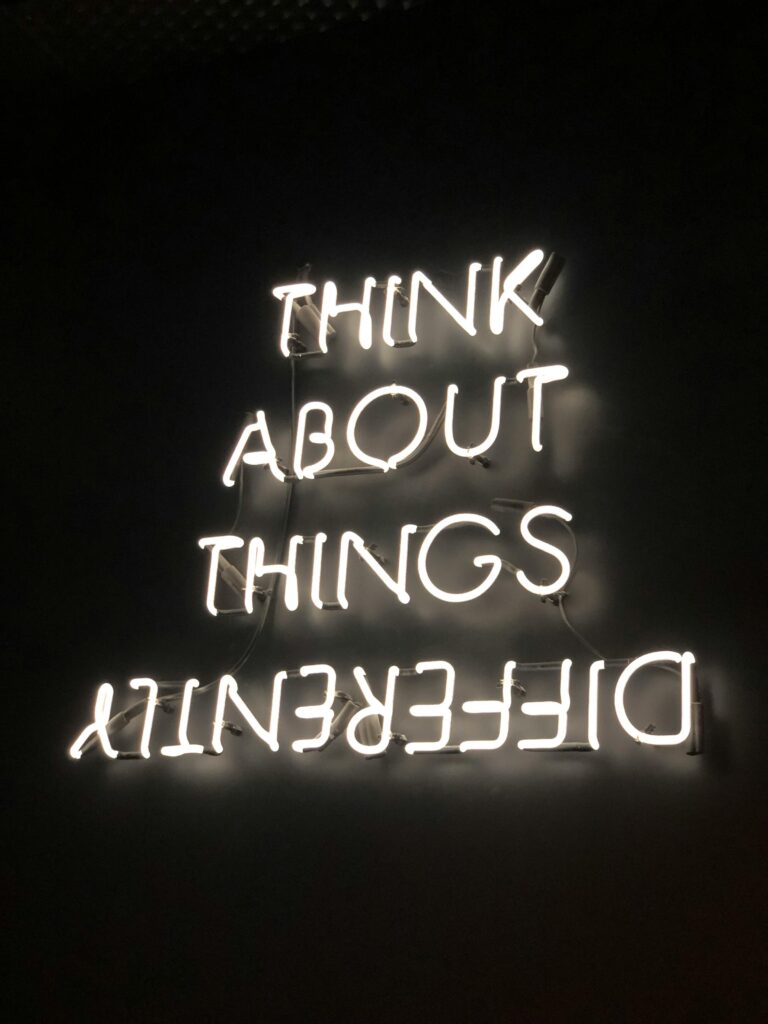
🌱 Introduction: A Common but Uncomfortable Reality
(why people think they are superior to others)
Almost everyone has experienced it—
someone talking down to others, belittling opinions, or acting as if they are intellectually, morally, or socially superior.
This leads to an important question:
Why do people feel the need to see others as lower than themselves?
The answer lies deep within human psychology, insecurity, and social conditioning.
🧠 The Role of Insecurity: The Root Cause
Firstly, many people who look down on others are not confident—they are insecure.
When someone:
Doubts their own worth
Feels threatened by others’ success
Fears being exposed as “not enough”
They often compensate by lowering others in their mind.
👉 In simple words, putting others down temporarily lifts their own fragile self-esteem.
⚖️ Social Comparison: The Human Habit
Secondly, humans naturally compare themselves to others.
However, when comparison turns unhealthy:
People stop learning
Ego replaces growth
Judgement replaces understanding
As a result, some individuals feel safer believing:
“I am better than them.”
This illusion gives short-term comfort but long-term emptiness.
🪞 Ego Protection and Self-Defense Mechanism
Psychologically, looking down on others is often a defense mechanism.
When faced with:
Failure
Criticism
Fear of inadequacy
The ego protects itself by shifting focus outward:
“They are foolish”
“They are inferior”
“They don’t deserve success”
Thus, the mind avoids self-reflection.
🧬 Conditioning from Childhood and Society
Moreover, upbringing plays a strong role.
Some people grow up in environments where:
Comparison is constant
Praise is conditional
Status is overvalued
Consequently, they learn to measure worth by ranking people, not understanding them.
🎭 Power, Status, and False Superiority
In many cases, power—real or imagined—feeds superiority thinking.
For example:
Position at work
Education level
Wealth
Social popularity
However, when identity becomes attached to status, empathy often declines.
True strength never needs to belittle others.
🧩 Projection: Seeing One’s Flaws in Others
Another important reason is projection.
People often criticize in others what they unconsciously dislike in themselves:
Laziness
Ignorance
Fear
Weakness
By focusing outward, they avoid facing inner discomfort.
🔄 Talking Down Feels Like Control
Psychologically, making others feel smaller creates:
A sense of control
Temporary dominance
Emotional relief
Yet, this control is false and fragile—it depends on others staying “below”.
🌿 The Cost of Looking Down on Others
Although it may feel empowering initially, superiority thinking leads to:
Poor relationships
Emotional isolation
Lack of personal growth
Constant fear of losing status
Eventually, such people become trapped by their own ego.
🌟 How Emotionally Intelligent People Think Differently
In contrast, emotionally mature people:
Learn instead of judge
Respect differences
Accept that intelligence and worth are multidimensional
They understand that no one is above or below—only different.
🧘 How to Rise Above This Mental Trap
If you notice this tendency in yourself:
Practice self-reflection, not self-defense
Replace judgment with curiosity
Measure growth, not superiority
And if you face it from others:
Do not internalize their projection
Maintain self-respect
Remember: their words reflect their inner state, not your value
🧠 Final Thought: Real Strength Is Humble
In conclusion, people who think and talk down about others are often fighting invisible battles within themselves.
True confidence uplifts.
>True intelligence listens.
>True power never needs to prove itself.
📌 Reflection Question
If someone feels the need to look down on others—
what might they be afraid of seeing within themselves?
🔍 You Can Also Read:
- Have You Ever Felt Emotionally Disturbed and Unable to Focus on Daily Activities? You’re Not Alone
- The Root of Low Self-Esteem: Moving Beyond the Myths of Self-Love
- how to protect yourself from negative and toxic people who lower your confidence
- Are Parents Unknowingly Damaging Their Children’s Character by Controlling Careers Instead of Advising?
- Why Do People Lie and Try to Show Themselves as Superior to Others?
- Do “Low-Level” Jobs Lower Human Personality? Why Dignity of Work Matters More Than Status
Pingback: Why Do We Doubt Ourselves Even After Doing Well? Neuroscience