
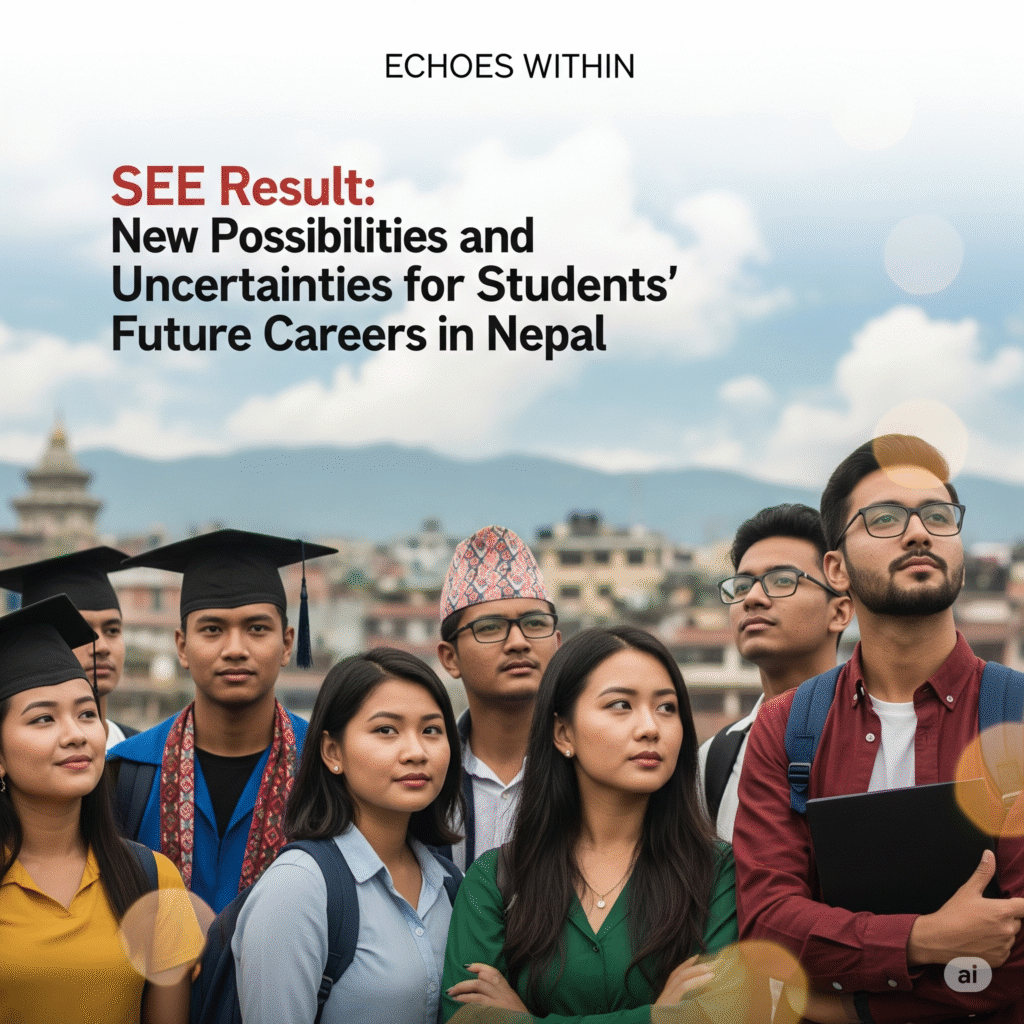
Why Nepalese Students, After Completing 12 in Science at Kathmandu, Tend to Move Abroad, Especially to European Countries
Every year, thousands of Nepalese students complete their higher secondary education, particularly in science, at colleges across Kathmandu. Instead of continuing their academic journey within Nepal, many choose to move abroad, with European countries becoming increasingly popular destinations. This growing trend raises an important question: why are students seeking opportunities outside their homeland rather than staying in Nepal?
The Dream of Better Education and Research Opportunities
One of the primary reasons students head abroad is the desire for quality education. While Nepal has reputable universities, many science students feel limited by outdated curricula, insufficient research facilities, and limited specialisation options. In contrast, European universities offer advanced laboratories, globally recognised degrees, and research-oriented programs that attract ambitious learners. This difference motivates students to seek better academic growth abroad.
Global Exposure and Career Prospects
Studying in Europe provides more than just education—it offers global exposure. Students can interact with people from diverse cultures, learn new languages, and build international networks. These experiences shape confidence, adaptability, and open-mindedness. Moreover, European degrees often carry global recognition, helping Nepalese graduates secure better jobs abroad or in multinational organisations, which may not be as easily achievable with a local degree.
Limited Opportunities in Nepal
While Kathmandu offers the largest number of academic institutions in Nepal, career opportunities for science graduates remain limited. Many students see a mismatch between their education and job market needs. For example, research jobs, advanced healthcare roles, or technology-driven careers are scarce. As a result, students feel that pursuing education abroad creates a pathway toward better employment opportunities and long-term stability.
Social Influence and Family Expectations
Peer influence plays a major role in this decision. When friends or senior students migrate abroad, it creates a ripple effect, encouraging others to follow the same path. Parents also often believe that sending their children abroad ensures a brighter future, both academically and financially. In Kathmandu, this mindset has become common among science graduates, making studying abroad seem more like the norm than an exception.
Scholarships and Attractive Immigration Policies
European countries such as Germany, Norway, and Finland offer affordable or even free higher education for international students. Many also provide scholarships and post-study work opportunities, which are particularly appealing to Nepalese students. Compared to high tuition fees in private colleges in Nepal, these offers make Europe an attractive destination. Additionally, clear pathways for permanent residency in some European nations make migration even more appealing.
Balancing Dreams and National Growth
While studying abroad creates life-changing opportunities, it also leads to a “brain drain” in Nepal. Talented science graduates, instead of contributing to Nepal’s research and development, settle abroad. To balance this, Nepal needs to invest in modernising higher education, expanding research facilities, and creating competitive career opportunities. By doing so, the country can encourage more students to stay and contribute to national progress.
Conclusion: The Pull of Europe and the Push from Nepal
Nepalese science students from Kathmandu are moving abroad not simply because of personal choice, but due to a combination of push and pull factors. Limited opportunities at home, combined with the promise of advanced education, better careers, and global exposure in Europe, make migration an attractive option. To change this trend, Nepal must strengthen its education system and career prospects, ensuring students see a future worth building within their own country.
Suggested References:
Is It Good to Remove the Pension System for Government Employees in Developing Countries Like Nepal?
Why Do People Lie and Try to Show Themselves as Superior to Others?
How to Keep Your Future Plans Private When Parents or Relatives Ask
Factors Influencing College Students’ Choice to Study Abroad: A Survey Study
Pingback: Why Do Students Make Studying Science So Vague and Difficult?
Your article helped me a lot, is there any more related content? Thanks!
I don’t think the title of your article matches the content lol. Just kidding, mainly because I had some doubts after reading the article. https://accounts.binance.info/fr-AF/register-person?ref=JHQQKNKN
Thanks for sharing. I read many of your blog posts, cool, your blog is very good. https://accounts.binance.info/ru-UA/register-person?ref=JVDCDCK4