
👁️🔭 Summary Note: Light – Defects of Human Eye, Microscope & Telescope
In Light 3, here’s a clear and concise summary note for the lesson “Light 3 – Defects of Human Eye, Microscope & Telescope”, tailored for SEE-passed students preparing for NEB Grade 11 Science entrance exams.
👁️ A. Human Eye and Its Defects
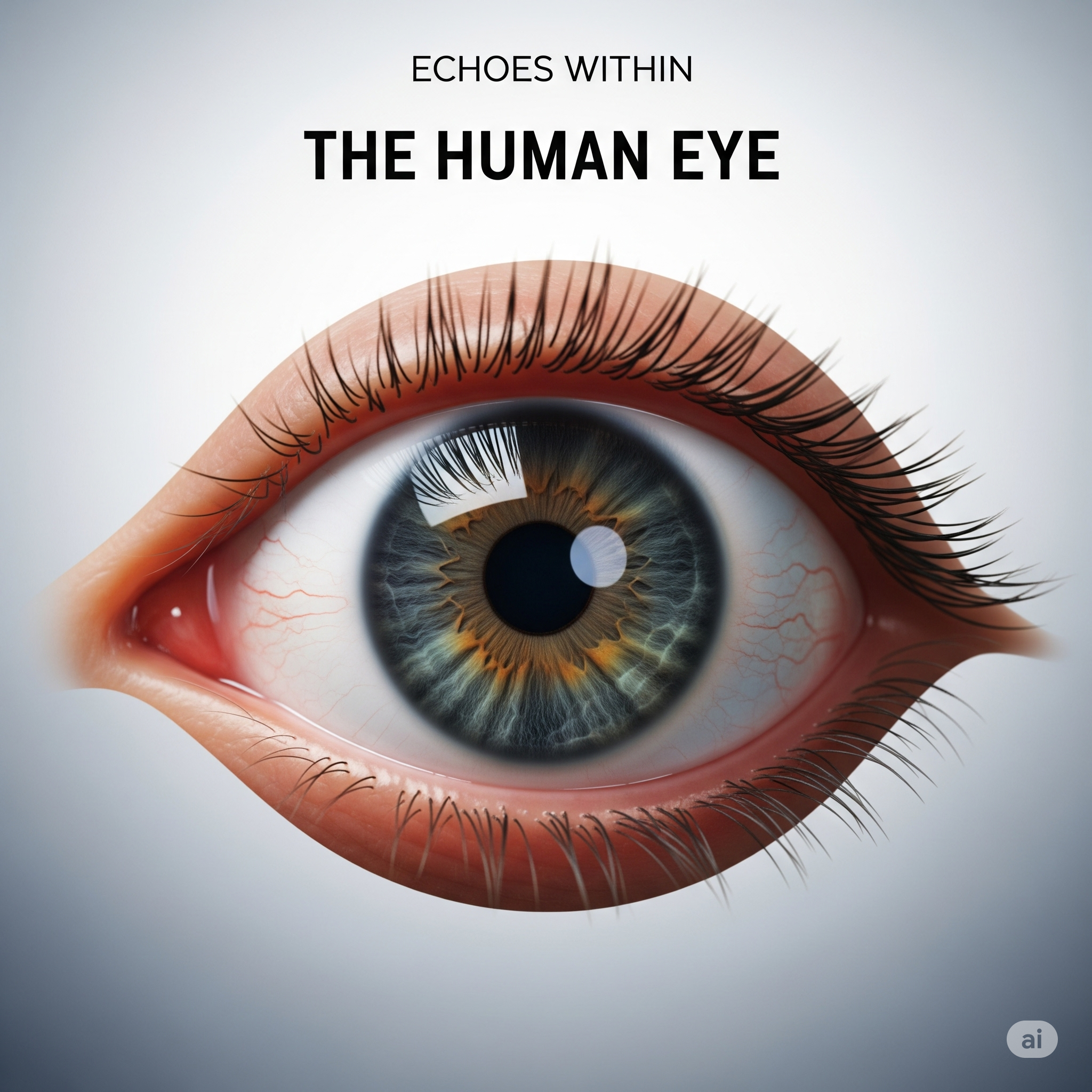
🔹 Structure of the Human Eye:
Cornea – transparent front layer that refracts light.
Iris – the colored part that controls pupil size.
Pupil – opening through which light enters.
Lens – focuses light on the retina.
Retina – light-sensitive layer; forms image.
Optic Nerve – carries visual signals to the brain.
Ciliary Muscles – adjust lens shape for focusing.
⚠️ Common Defects of Vision:
| Defect | Cause | Correction |
|---|---|---|
| Myopia (Nearsightedness) | The eye is too long or the lens is too curved. Distant objects appear blurred. | Use a concave (diverging) lens |
| Hypermetropia (Farsightedness) | The eye is too short or the lens is too flat. Near objects appear blurred. | Use a convex (converging) lens |
| Presbyopia | Loss of elasticity of the lens due to ageing. | Use bifocal lenses |
| Astigmatism | Irregular curvature of the cornea/lens causes distorted vision. | Use cylindrical lenses |
🔬 B. Microscope
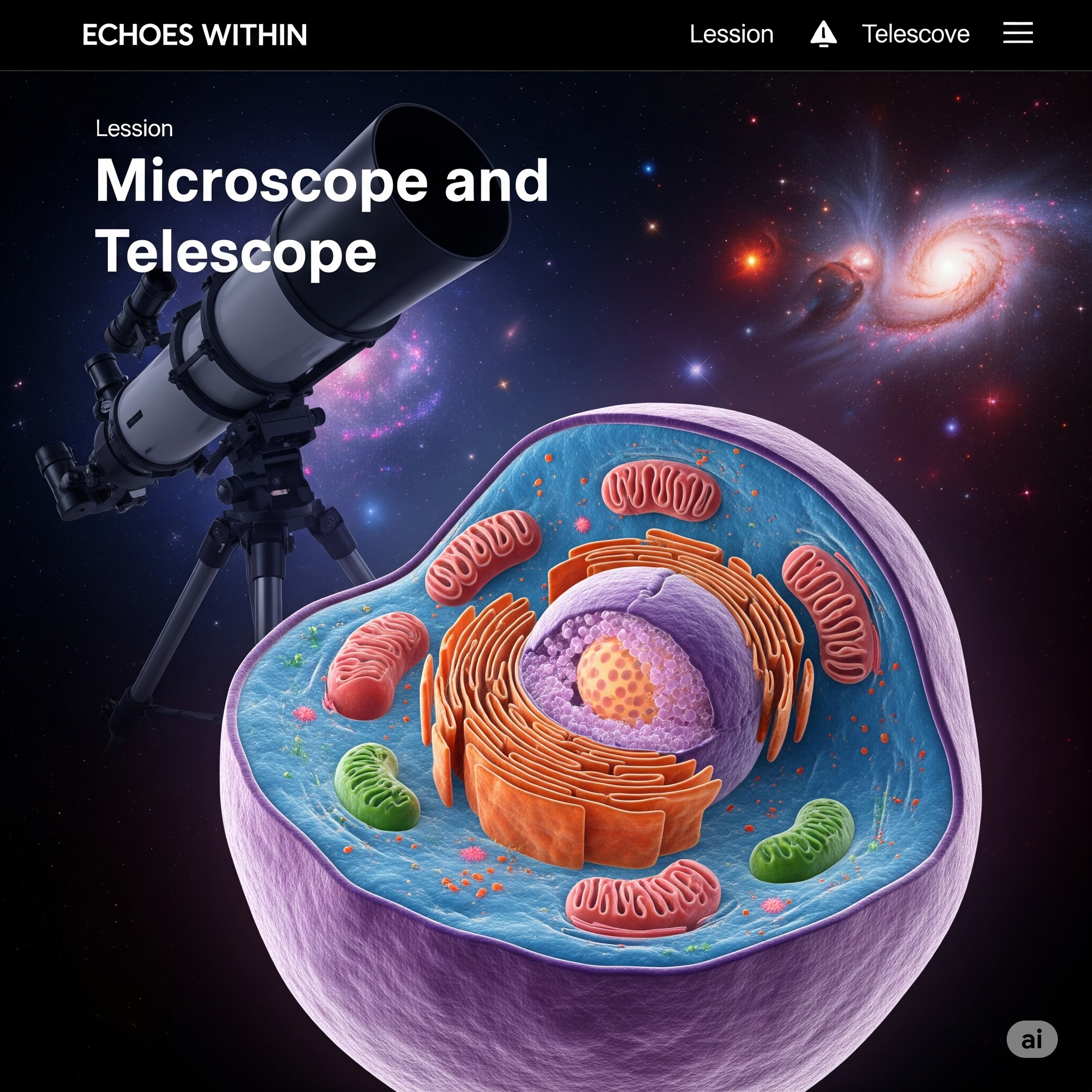
🔹 Simple Microscope:
Uses a single convex lens.
Magnifies small objects (like a magnifying glass).
Used for low magnification (2x–10x).
🔹 Compound Microscope:
Uses two convex lenses: the objective and eyepiece.
Objective forms a real, inverted image.
The eyepiece magnifies it to form a virtual, enlarged image.
Used in biology and laboratories for viewing tiny details.
🔭 C. Telescope
🔹 Astronomical Telescope:
Used to view distant celestial objects.
Uses two convex lenses:
Objective lens: collects light and forms a real image.
Eyepiece lens: magnifies the image.
The image formed is inverted and magnified.
Used in astronomy.
🔹 Terrestrial Telescope:
Includes a third lens to make the final image erect for viewing objects on Earth.
📝 Key Differences (Microscope vs Telescope):
| Feature | Microscope | Telescope |
|---|---|---|
| Object Distance | Very near | Very far |
| Image | Enlarged, erect or inverted | Enlarged, mostly inverted |
| Used For | Tiny objects | Distant objects |
| Objective Lens | Small focal length | Large focal length |
🔍 You Can Also Read:
SEE Result: New Possibilities and Uncertainties for Students’ Future Careers in Nepal