⚡ Electricity: Summary Note
Here is a set of clear, concise, and entrance-exam-friendly Electricity: summary notes for the following NEB Grade 11 Physics topics, ideal for SEE graduates preparing for competitive science entrance tests.
⚡ 1. Electrolysis
Electrolysis is the chemical decomposition of a substance (usually an electrolyte) using an electric current.
📌 Key Concepts:
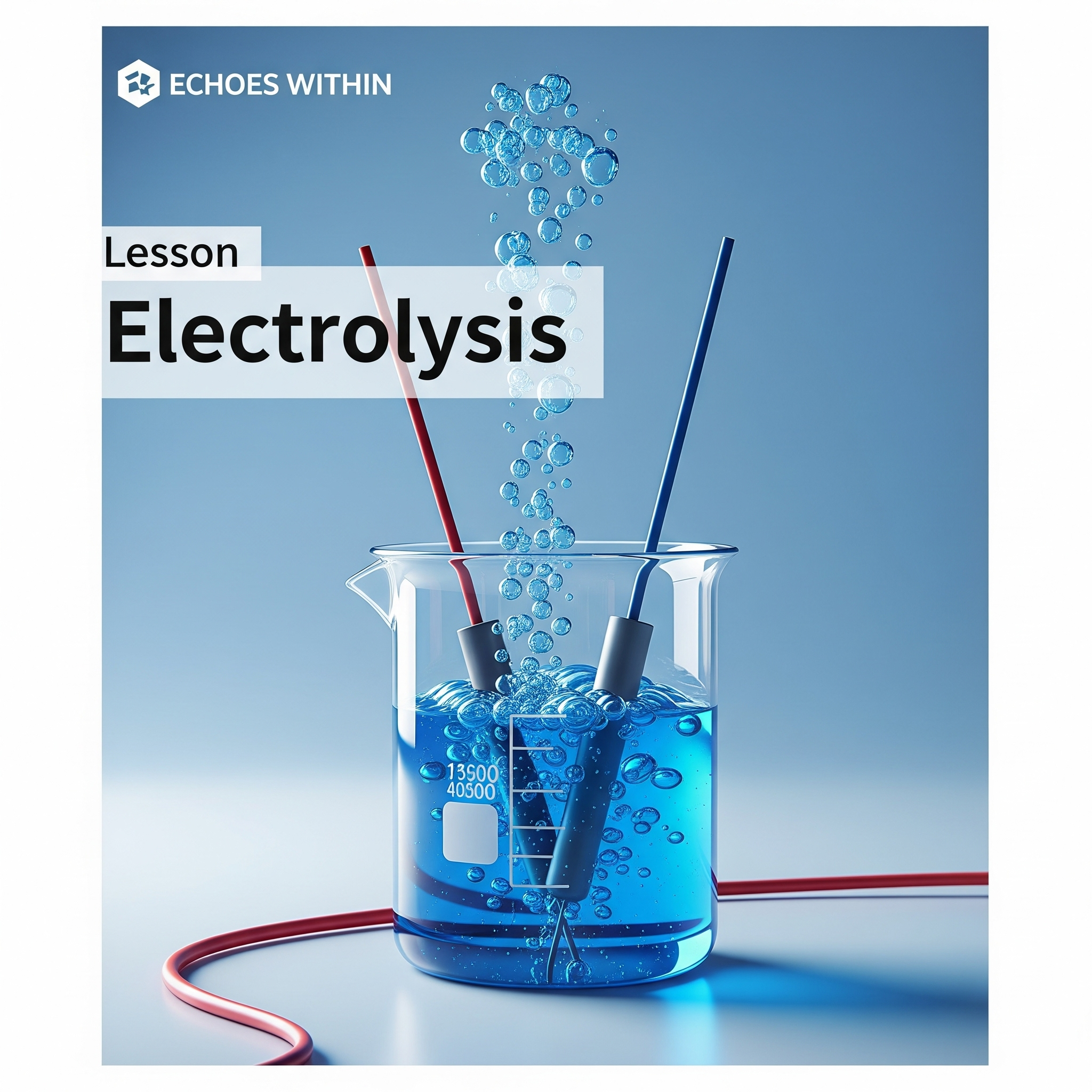
Electrolyte: A liquid that conducts electricity and decomposes during electrolysis (e.g., acid, base, salt solution).
Electrodes: Conductors dipped into the electrolyte.
Anode (+): Positively charged electrode
Cathode (–): Negatively charged electrode
Ion Movement:
Cations (positive ions) move to the cathode
Anions (negative ions) move to the anode
⚙️ Applications:
Electroplating (e.g., silver plating)
Electrorefining (e.g., of copper)
Electrolysis of water (H₂ and O₂ gas formation)
🔌 2. Transformer
A transformer is a device that increases or decreases alternating voltage using the principle of electromagnetic induction.
📌 Key Concepts:
Works only with AC (not DC)
Based on mutual induction
Has two coils:
Primary coil (connected to input voltage)
Secondary coil (connected to output)
📐 Transformer Equation:
Vp/Vs=Np/Ns
and Is/Ip=Np/Ns
Where:
Vp, Vs: Primary and secondary voltage
Np, Ns: Turns in primary and secondary
Ip, Is: Primary and secondary current
🔧 Types:
Step-up transformer: Increases voltage
Step-down transformer: Decreases voltage
🔋 Applications:
Power transmission
Adapters and chargers
⚙️ 3. Electromagnetic Induction
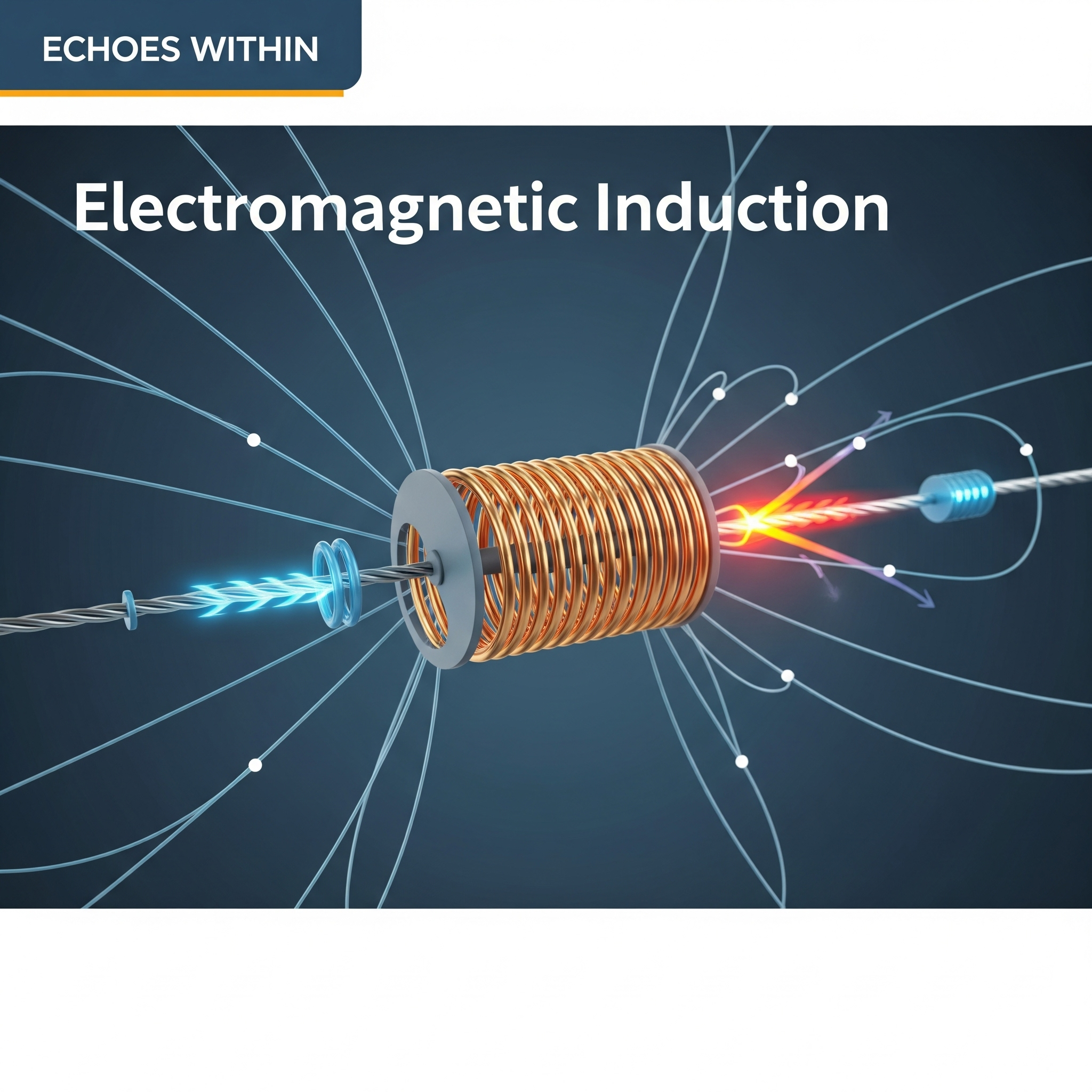
Electromagnetic induction is the process of generating an electric current in a conductor by changing the magnetic field around it.
📌 Discovered by: Michael Faraday
💡 Faraday’s Laws:
A current is induced when there is a change in magnetic flux.
The magnitude of induced EMF is proportional to the rate of change of magnetic flux.
🧲 Factors affecting induced EMF:
Speed of motion
Strength of the magnetic field
Number of turns in the coil
Area of the coil
🔄 Applications:
Generator
Transformer
Induction stove
Electric guitar pickup
🧲 4. Magnetic Effect of Electric Current
When an electric current flows through a wire, it produces a magnetic field around it. This is called the magnetic effect of current.
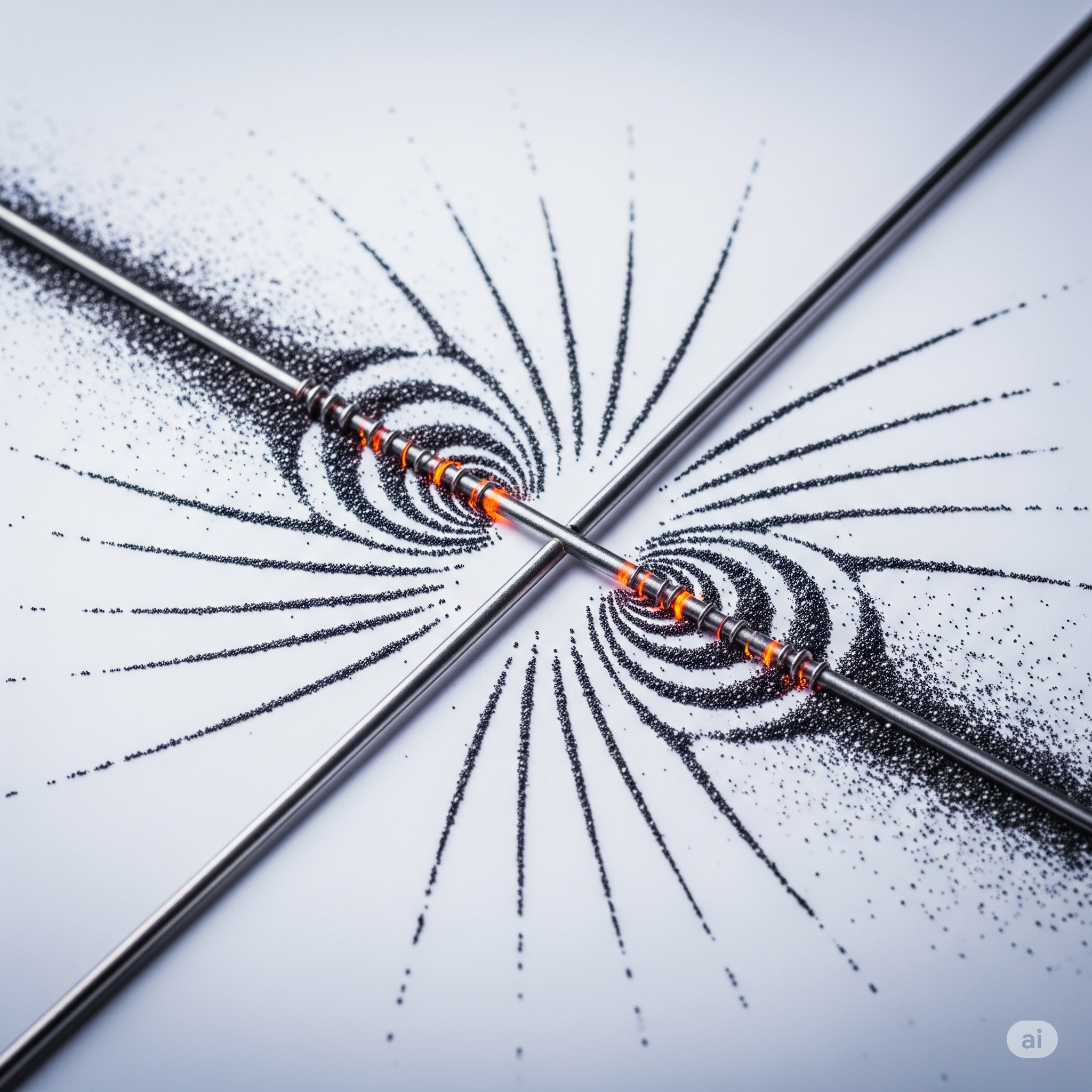
📌 Discovered by: Hans Christian Oersted
🔄 Key Rules:
Right-hand thumb rule: Shows the direction of the magnetic field around a current-carrying conductor.
Electromagnet: Temporary magnet created by passing current through a coil around a soft iron core.
🧪 Applications:
Electromagnets
Electric bells
Relays
Electric motors
🔋 5. Electricity
Electricity is the flow of electric charge (electrons) through a conductor.
📌 Basic Terms:
Current (I): Flow of charge
I=Q/t
Voltage (V): Electrical potential difference
Resistance (R): Opposition to the current
V=IR(Ohm’s Law)
🔌 Electric Power & Energy:
Power: P=VI
Energy: E=Pt
🔁 Factors Affecting Resistance:
Length of the conductor
Cross-sectional area
Material
Temperature
🔋 Applications:
Lighting, heating, charging, and powering appliances
Electricity generation and transmission systems
You Can Also Read:
How to Choose the Right Stream After SEE in Nepal
SEE Result: New Possibilities and Uncertainties for Students’ Future Careers in Nepal